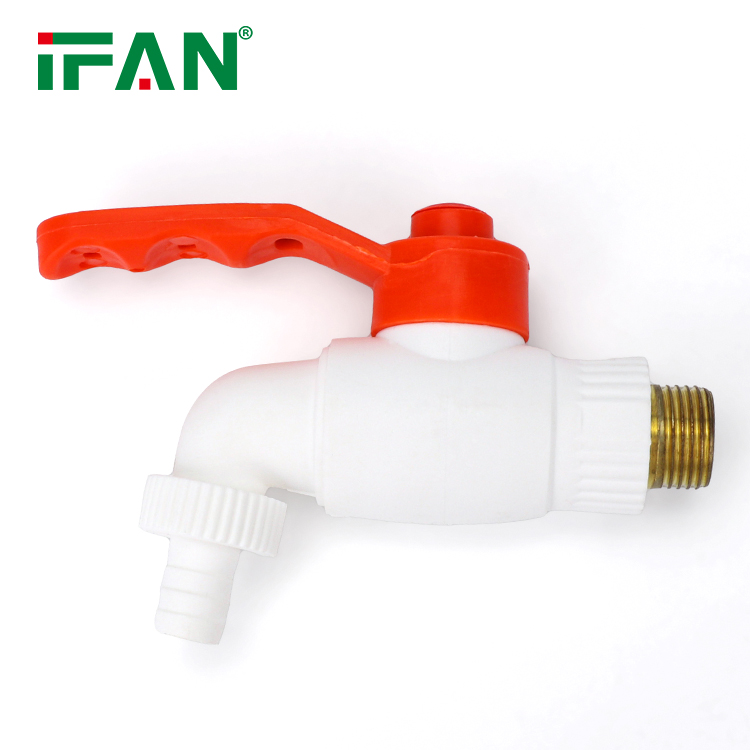
Upgrade Your Plumbing with Plastic Bibcocks – A Game-Changing Solution!
Plumbing is one of the most important aspects of our homes and workplaces as it provides us with clean water for drinking and other purposes. It’s crucial to keep our plumbing systems up-to-date and free from any leaks or damage.
But what if we tell you that there’s a game-changing solution that can upgrade your plumbing system and take it to the next level? Yes, we’re talking about plastic bibcocks – the newest and best alternative to metal bibcocks.
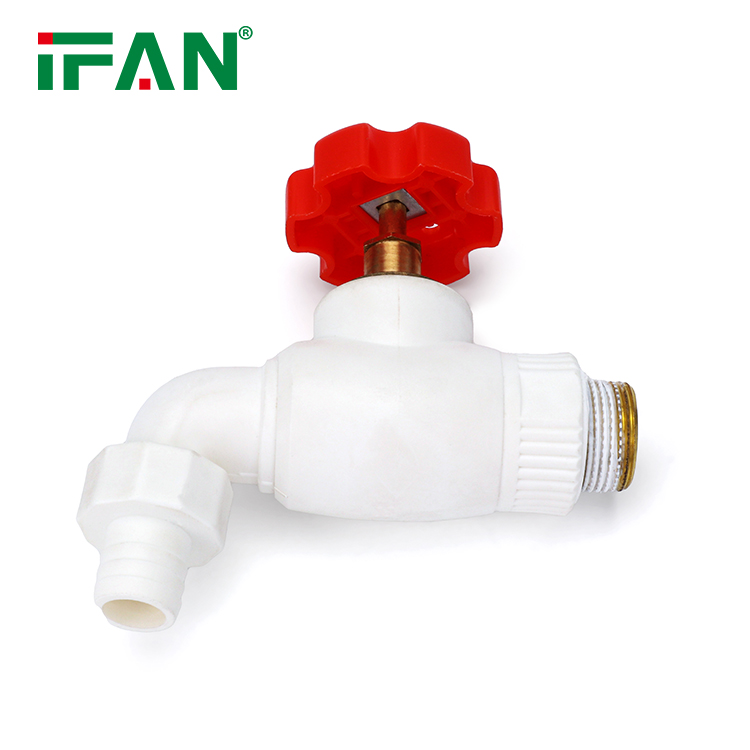
Here are some reasons why you should upgrade your plumbing system with plastic bibcocks:
- Durability: Plastic bibcocks are made from high-quality materials that are resistant to rust and corrosion, making them more durable and long-lasting than their metal counterparts. They are also lightweight and easy to handle, making them a great choice for any plumbing project.
- Compatibility: Plastic bibcocks are compatible with a wide range of plumbing systems and can be easily installed with minimal effort. This makes them a popular choice among plumbers and DIY enthusiasts alike.
- Cost-effective: Plastic bibcocks are more affordable than metal ones and offer excellent value for money. They are an ideal choice for those who are looking for a cost-effective yet reliable solution for their plumbing needs.
- Easy to maintain: Plastic bibcocks are easy to maintain and require minimal upkeep. They don’t corrode or rust like metal bibcocks, which means they won’t deteriorate over time. They are also easy to clean and disinfect, making them a hygienic choice for your plumbing system.
- Environmentally friendly: Plastic bibcocks are made from recyclable materials, making them an environmentally friendly choice for your plumbing system. They are also resistant to chemicals and other harmful substances, making them safe for use in a wide range of applications.
In conclusion, upgrading your plumbing system with plastic bibcocks is a game-changing solution that can help you save money, time, and effort while ensuring that your plumbing system is durable, reliable, and long-lasting. So, what are you waiting for? Upgrade your plumbing system today and experience the benefits of plastic bibcocks!