Unmatched Versatility with HDPE Fittings
High Density Polyethylene (HDPE) is a strong and flexible thermoplastic material that has been used for decades in a wide variety of applications. When it comes to piping and fitting systems, HDPE offers unmatched versatility and durability that can withstand even the most challenging industrial and environmental conditions.
HDPE fittings are known for their extraordinary strength, reliability, and ease of installation, making them a suitable choice for various industries. From water supply and wastewater treatment plants, mining, oil and gas, to chemical processing and agricultural operations, HDPE fittings offer an unbeatable solution for fluid transportation and containment.
What makes HDPE fittings stand out is their ability to handle a broad range of temperatures and pressures, making them ideal for high-stress applications. These fittings are also resistant to chemicals, abrasion, and UV rays, which further add to their durability and longevity.
Apart from their strength and durability, HDPE fittings are also incredibly easy to install, thanks to their lightweight and flexible design. Compared to traditional materials such as steel, PVC, and concrete, HDPE fittings are quicker to install, minimizing downtime and labor costs.
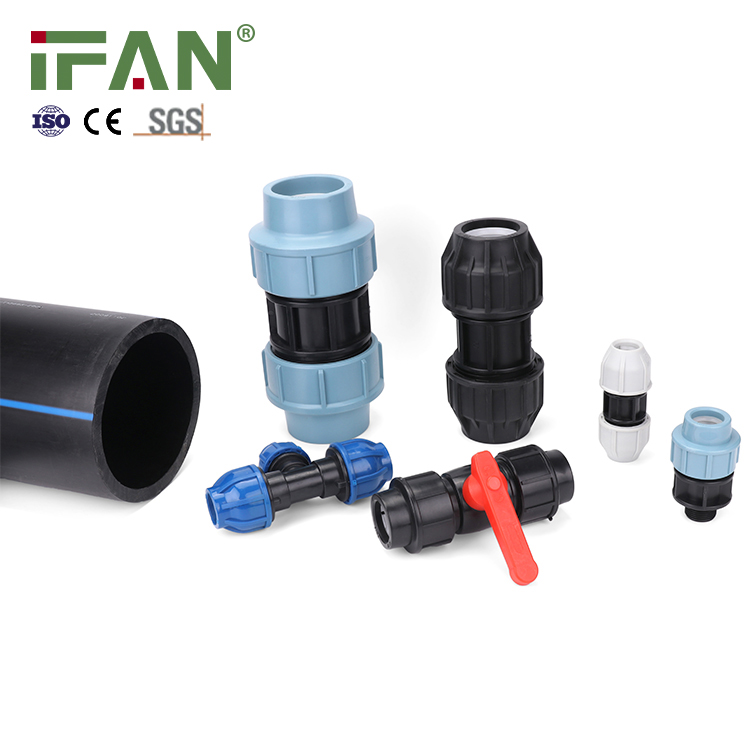
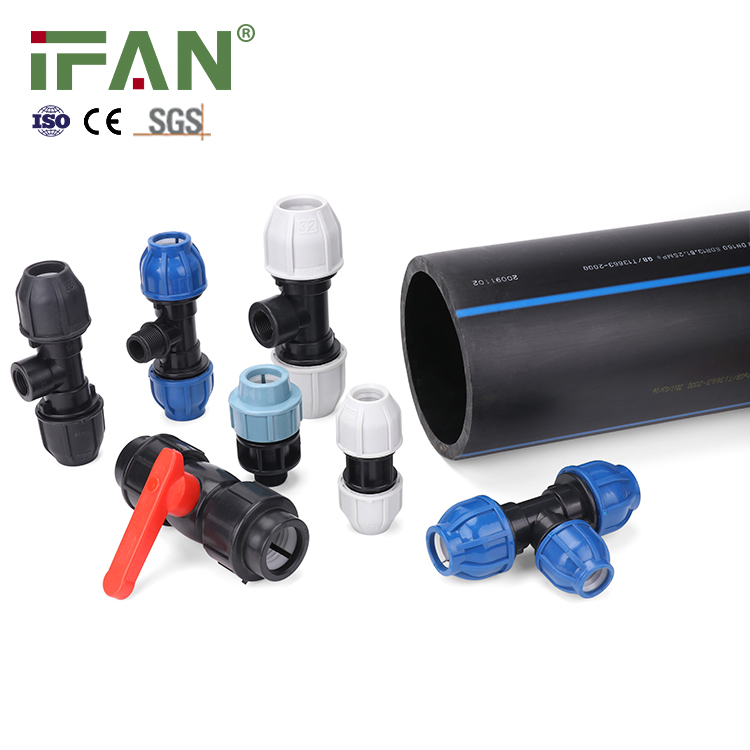
Furthermore, HDPE fittings come in various shapes and sizes, including couplings, elbows, tees, and flanges, among others. This variety of options ensures that there is an HDPE fitting for every need, regardless of the application or project scale.
Their exceptional corrosion and wear-resistant properties also ensure low maintenance costs that translate into reduced long-term operating expenses.
In conclusion, HDPE fittings are versatile, reliable, durable, and easy to install. They can withstand even the toughest conditions, making them a go-to option for anyone in need of a sturdy and dependable piping system. With their exceptional characteristics, HDPE fittings are undoubtedly a value-added alternative to traditional piping materials.