Understanding the Corrosion Resistance of Brass Fittings

Understanding the Corrosion Resistance of Brass Fittings

Introduction

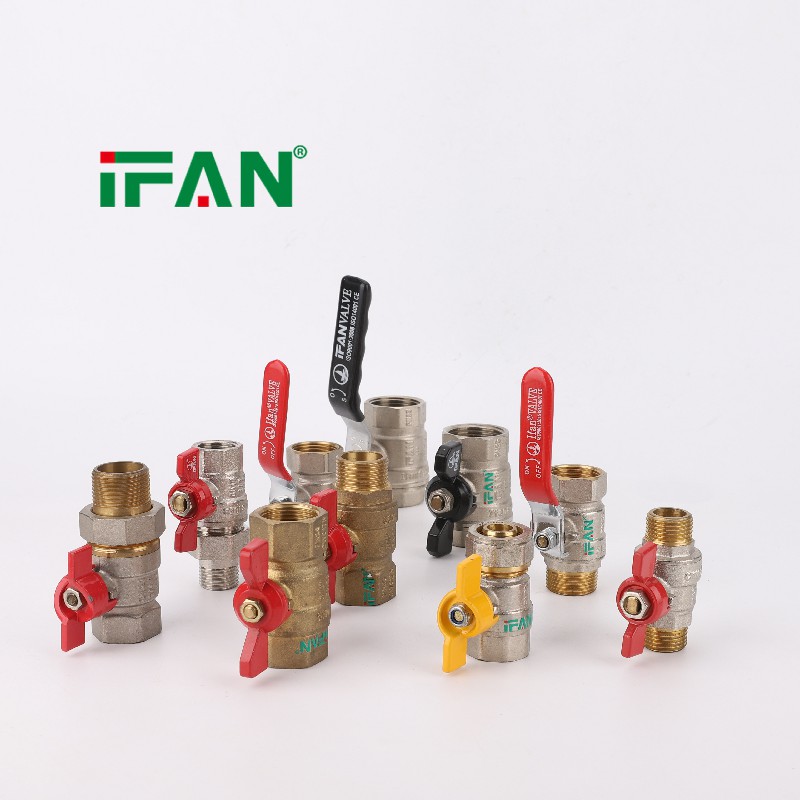
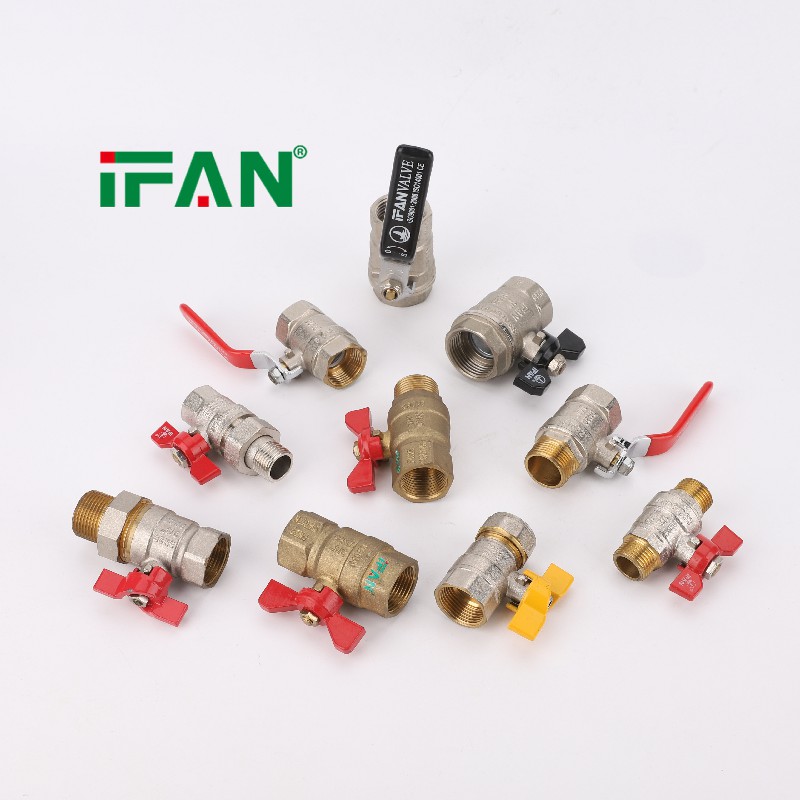
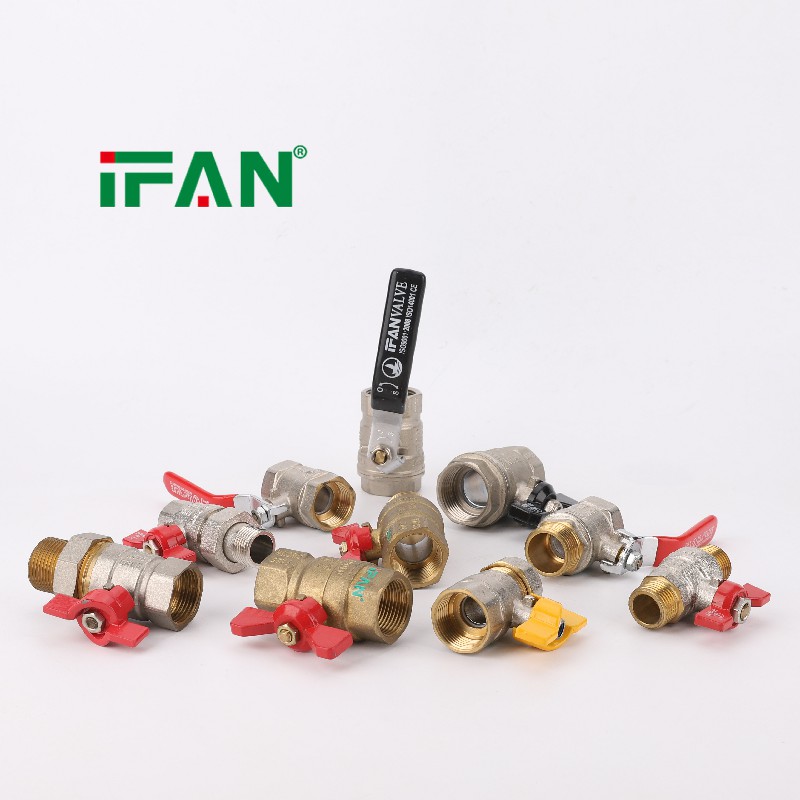
Brass fittings are widely used in various industries due to their excellent corrosion resistance properties. Understanding the factors that contribute to the corrosion resistance of brass fittings is crucial for ensuring their long-term performance and durability.

Composition of Brass Fittings

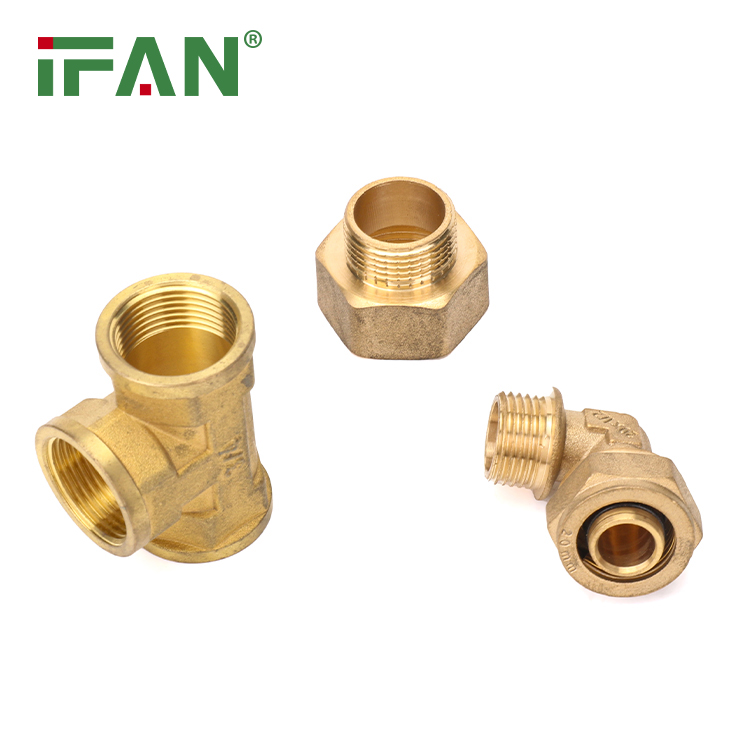
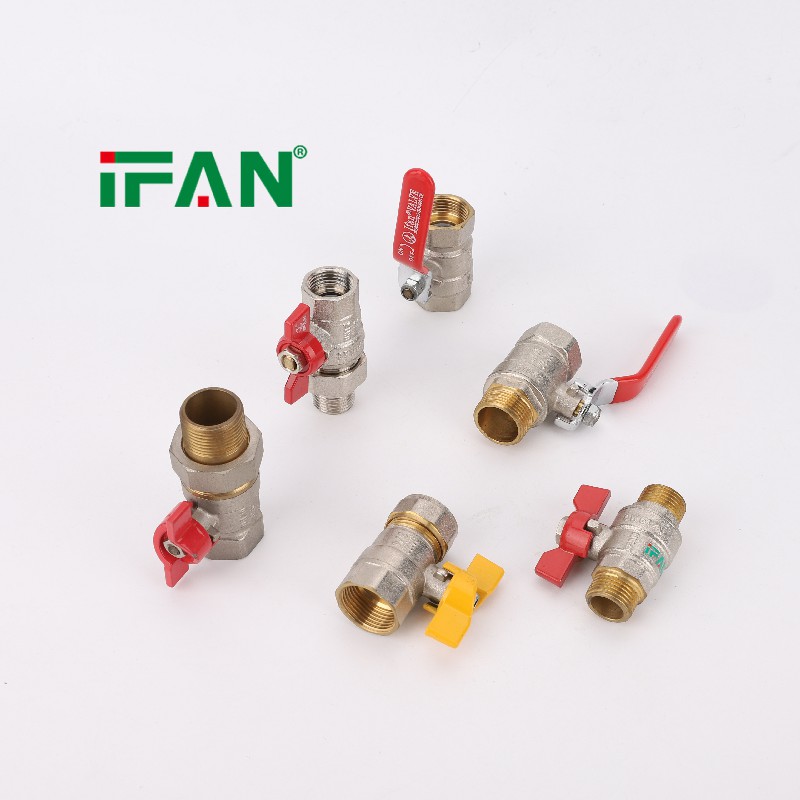
Brass fittings are primarily composed of copper and zinc, with smaller amounts of other elements such as lead or tin. The specific composition of brass can vary, resulting in different properties and corrosion resistance levels. By carefully controlling the alloy composition, manufacturers can enhance the corrosion resistance of brass fittings.
Share:

Facebook
Twitter
Pinterest
LinkedIn

Leave a Comment

Your email address will not be published. Required fields are marked *

On Key

Related Posts

Female vs Male Threaded Brass Ball Valve Configurations

Female vs Male Threaded Brass Ball Valve Configurations

Thread Configuration as a System Design Decision In the specification of brass ball valves, the internal mechanism—the ball, stem, and seats—often receives the most attention. However, the external thread configuration is just as critical to a successful installation. The choice between a female-threaded and a male-threaded valve dictates how the valve integrates with the surrounding

How to Select IFAN Brass Ball Valves by Temperature Rating

The Critical Role of Temperature in Valve Performance Selecting a brass ball valve based solely on pipe diameter and pressure rating is a common oversight that can lead to premature failure. Temperature is an equally decisive factor. As fluids heat up or cool down, the materials within the valve—specifically the brass body, the PTFE seats,

Brass Ball Valve vs Butterfly Valve for Flow Isolation

Brass Ball Valve vs Butterfly Valve for Flow Isolation

Comparing Two Distinct Approaches to Fluid Control When designing a piping system, selecting the right valve for flow isolation is a decision that impacts operational efficiency, maintenance costs, and overall system reliability. Two of the most common choices are brass ball valves and butterfly valves. While both serve the fundamental purpose of starting and stopping

IFAN Brass Ball Valves for Compressed Air Systems

IFAN Brass Ball Valves for Compressed Air Systems

Why Compressed Air Demands a Different Valve Approach Compressed air systems present unique challenges that differ significantly from water plumbing. The fluid is highly compressible, meaning pressure surges and rapid changes in flow are common. Additionally, compressed air often contains trace amounts of oil, moisture, and particulate matter that can wear down valve components. Selecting

Inside IFAN Brass Ball Valves: Ball, Stem and Seat Assembly

Inside IFAN Brass Ball Valves: Ball, Stem and Seat Assembly

The Internal Mechanics That Determine Valve Performance The outer body of a brass ball valve provides structural support and connection points, but the actual control of fluid flow happens entirely within its core assembly. The ball, stem, and seats form a unified mechanism that must operate smoothly and seal tightly over thousands of open-and-close cycles.

Get Free Quote NOW