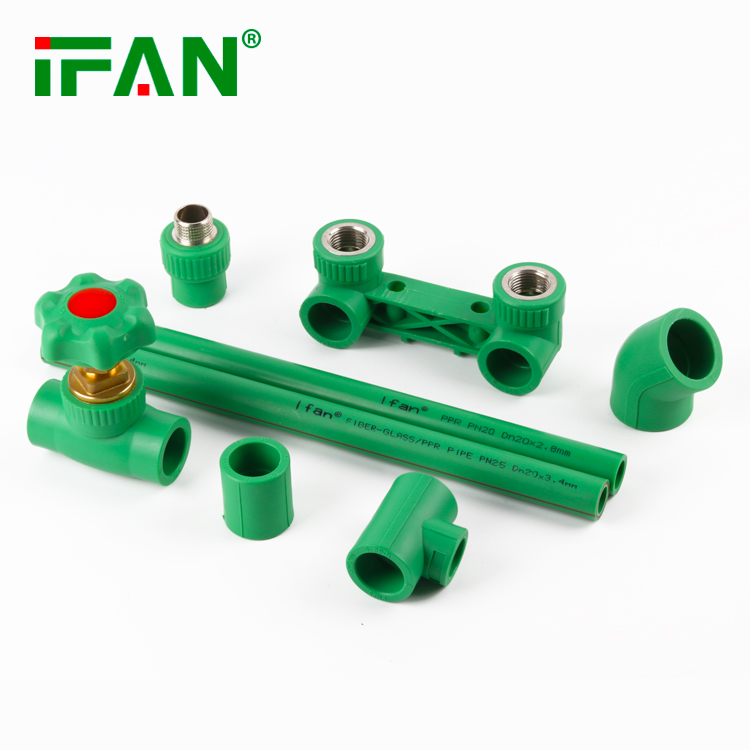
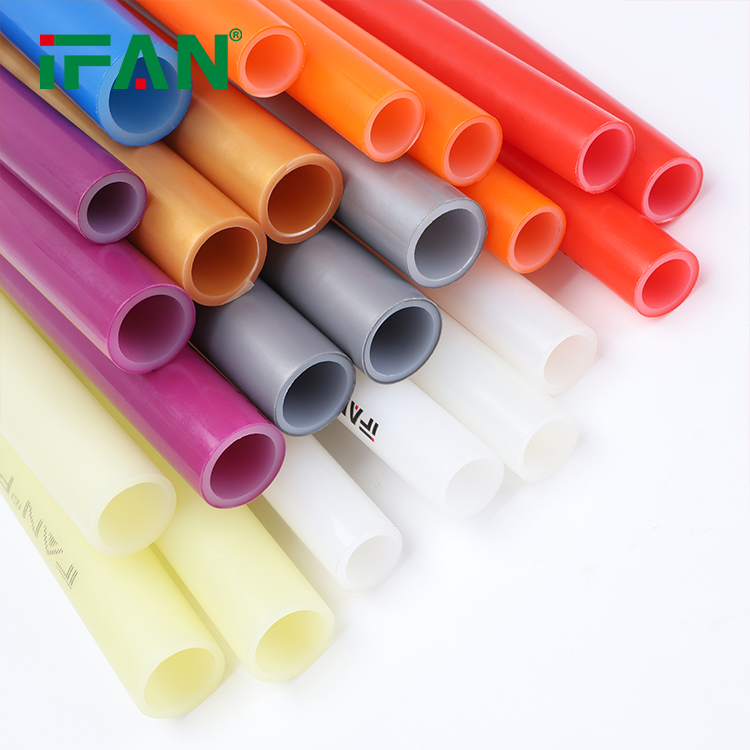
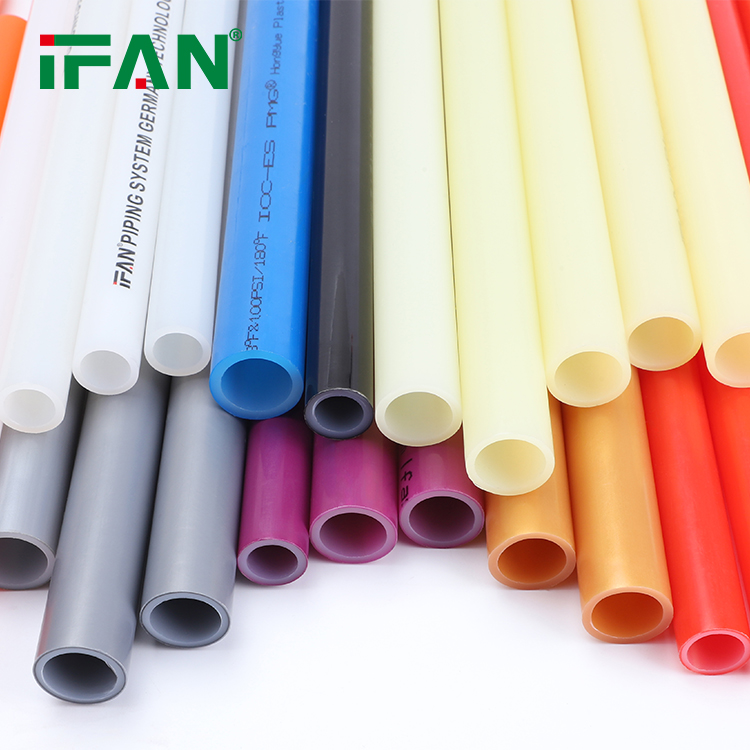
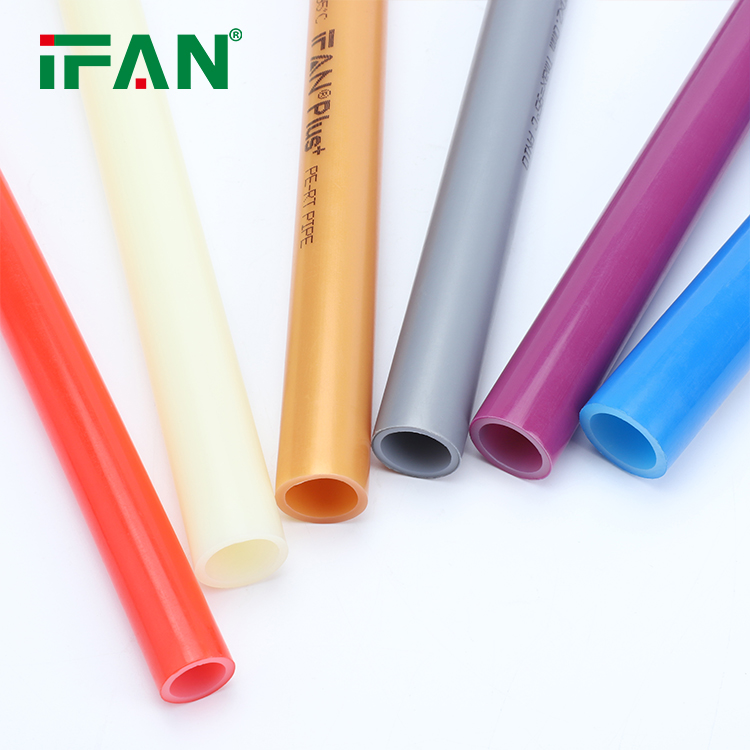
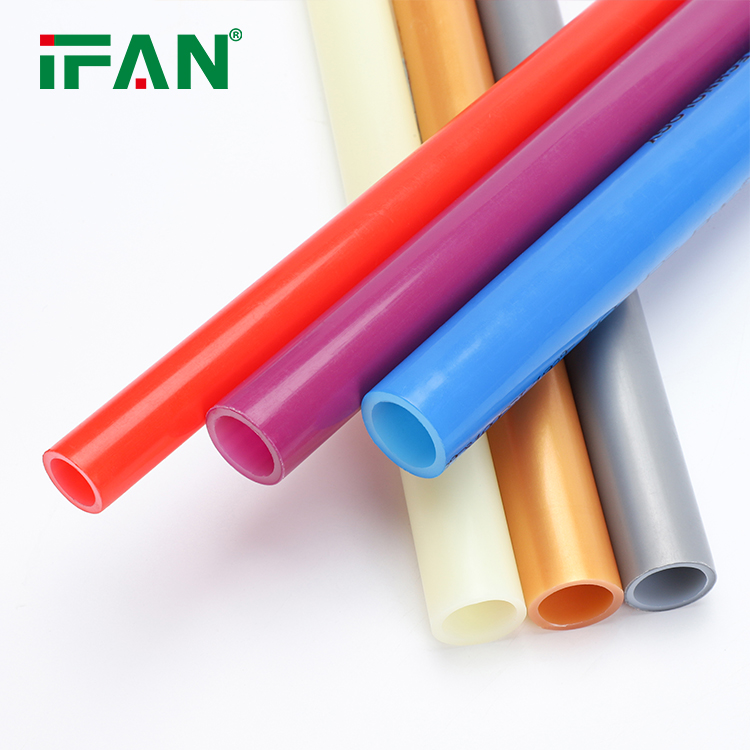
PPR (polypropylene random copolymer) pipes and fittings have become increasingly popular in construction, plumbing, and other industries due to their excellent performance and durability. One key advantage that sets PPR fittings apart from other materials is their high-temperature resistance.
PPR pipes and fittings are specifically designed to withstand high temperatures, making them ideal for use in hot water systems, as well as in industrial applications that involve hot liquids or gases. This high-temperature resistance is a result of the unique composition of the material, which contains a high level of temperature-resistant materials such as polypropylene and ethylene.
In addition to their ability to withstand high temperatures, PPR fittings also boast excellent resistance to chemicals, corrosion, and abrasion. They are also notable for their lightweight construction, ease of installation, and low maintenance requirements, making them a popular choice for a wide range of applications.
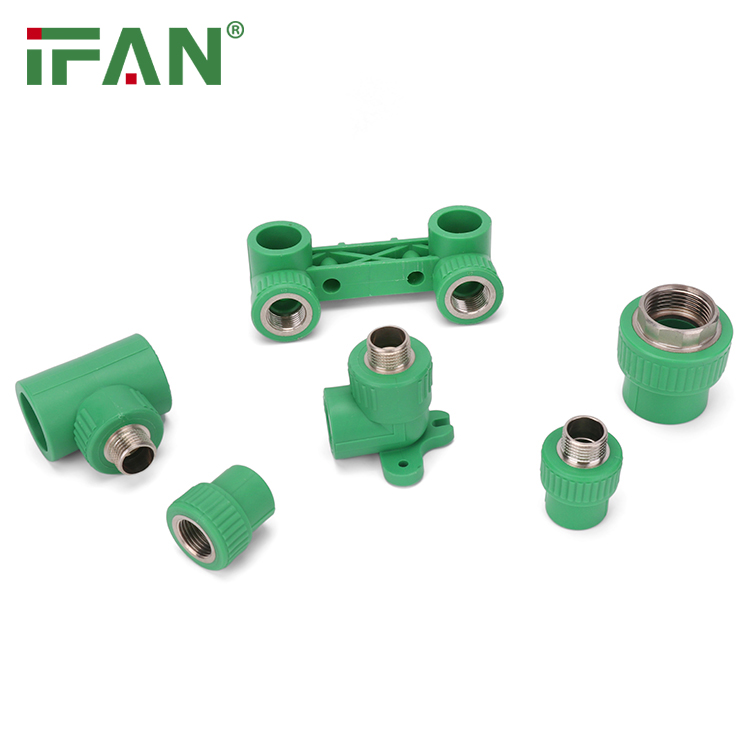
Some of the many industries that can benefit from the high-temperature resistance of PPR fittings include construction, plumbing, HVAC, chemical processing, and food and beverage manufacturing, among others. These applications require materials that can withstand extreme conditions, and PPR fittings provide the ideal solution.
Overall, the high-temperature resistance of PPR pipe fittings is a significant advantage that sets them apart from other materials on the market today. This durable and reliable material offers outstanding performance even under the most extreme conditions, making it an ideal choice for many different applications. Whether you are looking for a reliable plumbing solution or a robust material for industrial use, PPR fittings offer the perfect combination of durability, strength, and versatility.