The Durability and Longevity of PPR Pipe Fittings Explained
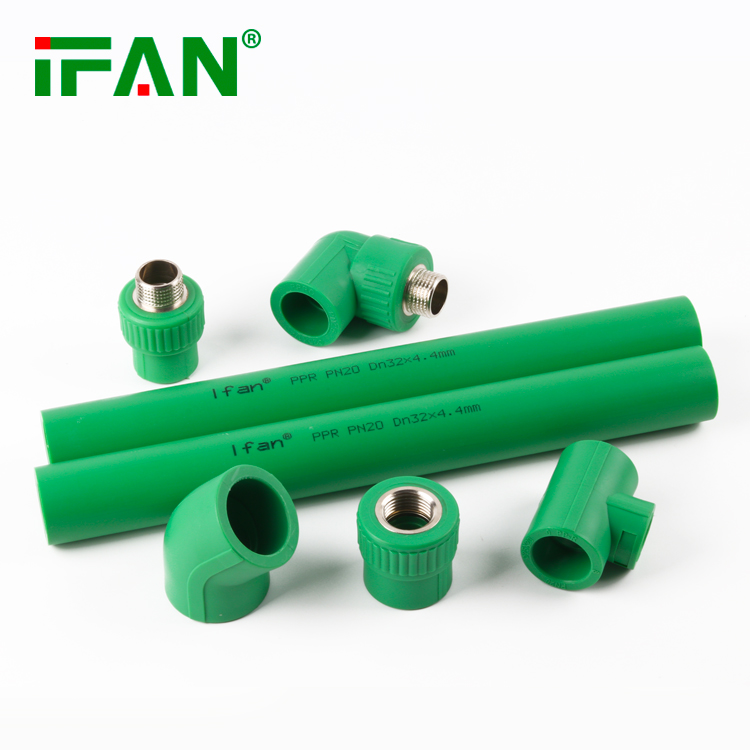
PPR pipe fittings are quickly becoming the preferred choice for plumbing installations due to their durability and longevity. PPR pipes and fittings are made from a type of copolymer called polypropylene random, which is known for its excellent resistance to high temperature and pressure.
Compared to traditional plumbing materials like copper and PVC, PPR pipe fittings have been found to offer superior performance in terms of durability and longevity. They are known to be highly resistant to corrosion, which helps to prevent leaks and other potential problems associated with older piping and plumbing systems.
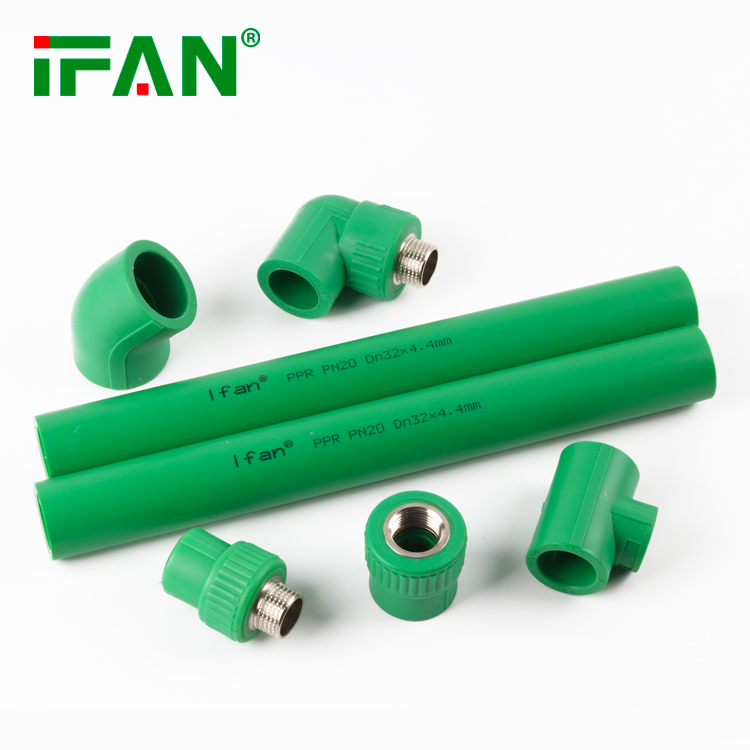
In addition to superior corrosion resistance, PPR pipe fittings also offer excellent thermal resistance. This is particularly important in areas where there are extreme temperature fluctuations, such as in industrial settings or cold climates. PPR pipes and fittings can withstand high temperatures without becoming brittle or cracking, and they are also able to maintain their shape and remain stable in cold temperatures.
Another major advantage of PPR pipe fittings is their ease of installation. PPR pipes and fittings are lightweight and easy to handle, which makes them ideal for use in a variety of settings, from homes and commercial buildings to industrial and agricultural facilities. They can also be easily cut and joined, which reduces installation time and overall labor costs.
Finally, the increased durability and longevity of PPR pipe fittings means that they require less maintenance, which can help to save both time and money over the life of the plumbing system. In addition to being highly resistant to corrosion and thermal damage, PPR pipes and fittings also resist scaling, which further reduces the need for maintenance and helps to keep the plumbing system functioning at its best.
In conclusion, the durability and longevity of PPR pipe fittings make them an excellent choice for a wide range of plumbing applications. Whether you’re working on a new installation or retrofitting an existing system, PPR pipes and fittings offer superior performance, ease of installation, and reduced maintenance costs. If you’re looking for a plumbing solution that will stand the test of time, PPR pipe fittings are the way to go.