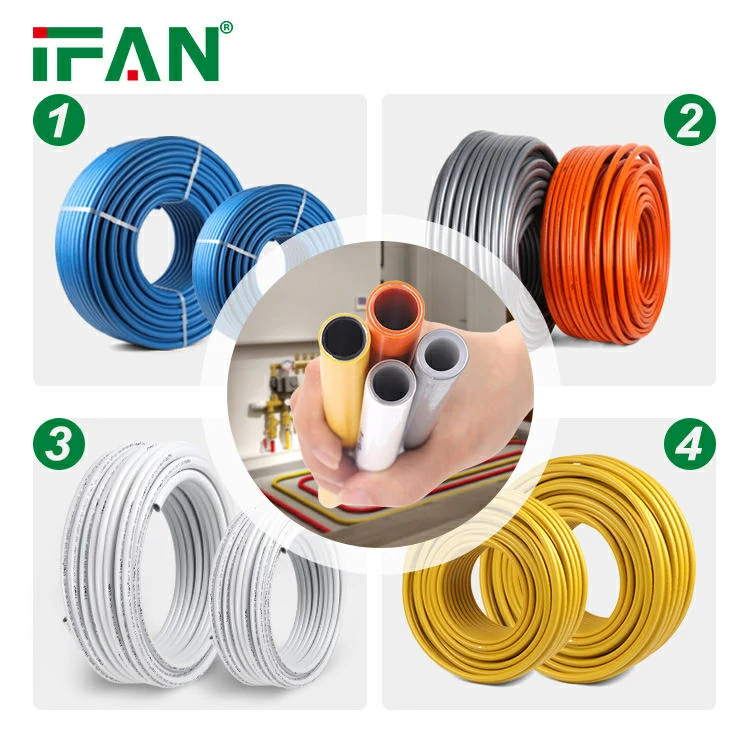
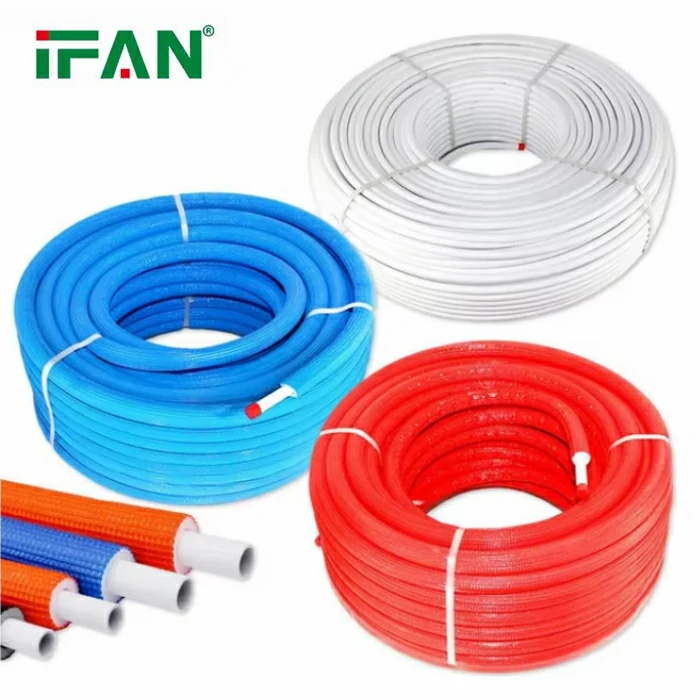
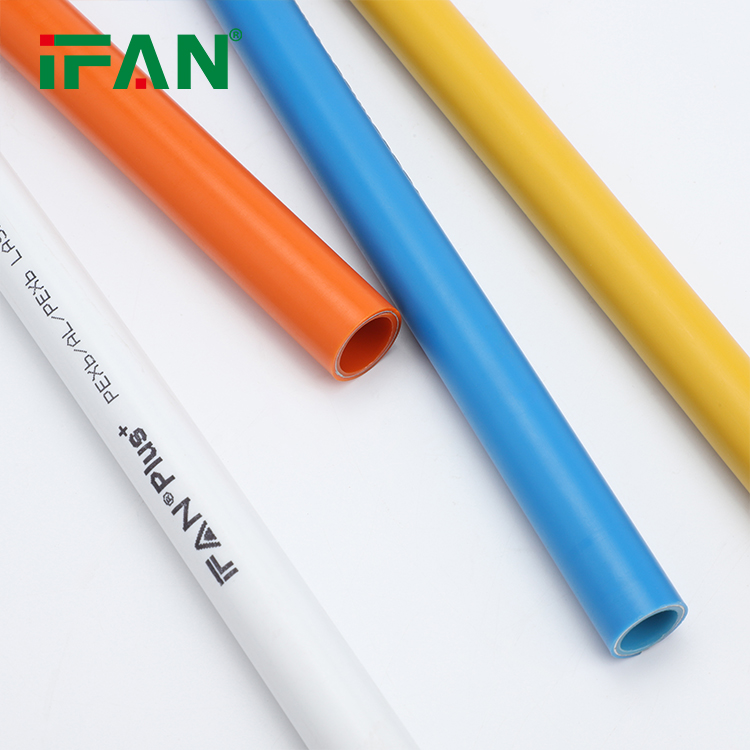
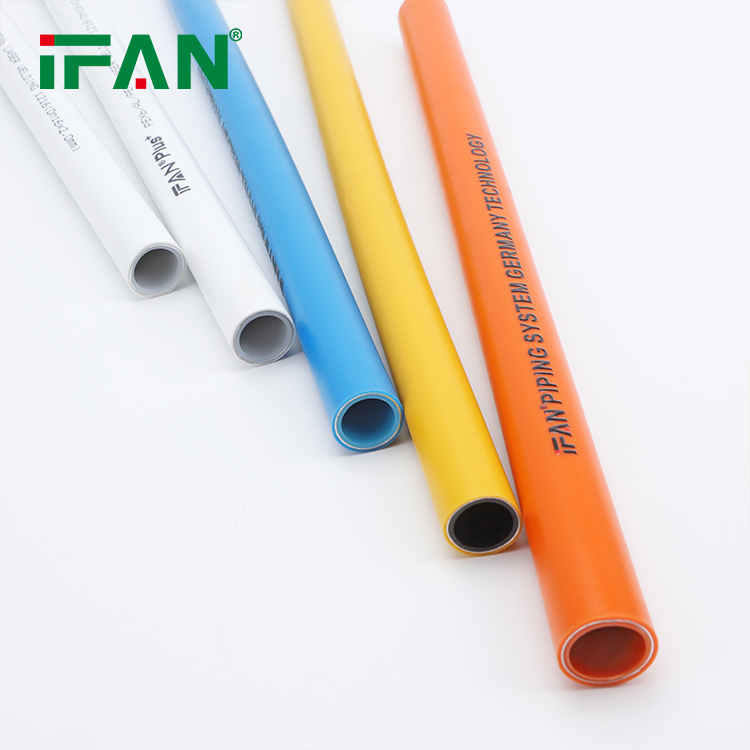
PPR Piping: The Go-To Choice for Durability and Affordability

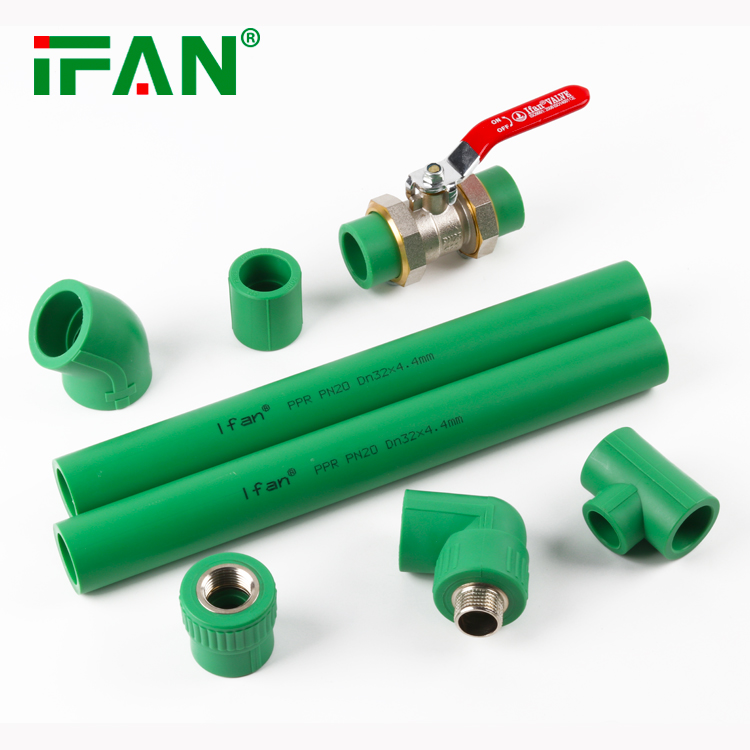
PPR piping is becoming an increasingly popular choice for those looking for a durable and affordable solution to their piping needs. Known for its high-quality properties, PPR pipes offer a number of benefits over traditional piping solutions that make them an attractive option for a variety of applications.

One of the key advantages of PPR piping is its durability. Made from a special type of thermoplastic that can withstand high temperatures and pressures, these pipes are resistant to corrosion and chemical damage, making them ideal for use in even the harshest environments. Additionally, their inherent strength and resilience make them less prone to leaks, breaks, and other types of damage, which can help to save money on costly repairs and replacements.
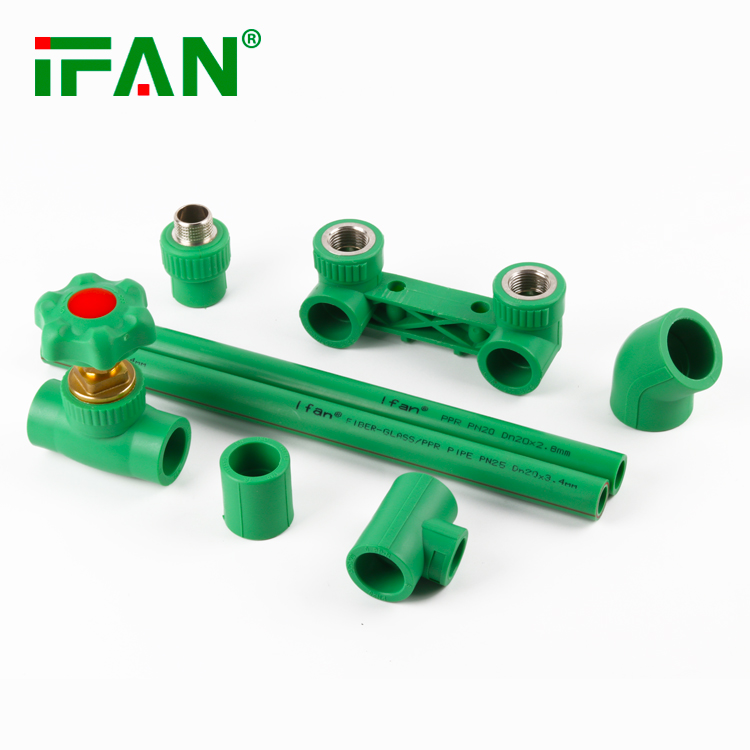
Another major benefit of PPR piping is its affordability. Because these pipes are made from thermoplastics, they are significantly cheaper to produce than many other types of piping, which means that they are available at a lower cost to consumers. Additionally, their low maintenance requirements and simple installation process help to further keep costs down while also ensuring that users can enjoy long-lasting, reliable performance over the lifetime of the pipes.

Overall, if you are looking for a durable and affordable solution to your piping needs, PPR piping is an excellent choice. With its high-quality properties and impressive durability, this type of piping can help to ensure that your applications perform reliably and efficiently for years to come. So why not make PPR piping your go-to choice? With its many benefits and advantages, you are sure to be satisfied with your decision.
Share:

Facebook
Twitter
Pinterest
LinkedIn

Leave a Comment

Your email address will not be published. Required fields are marked *

On Key

Related Posts

Common Brass Ball Valve Failures and How to Prevent Them

Common Brass Ball Valve Failures and How to Prevent Them — The IFAN Way Most Valve Failures Come Down to These Few Things After years in the plumbing game, I’ve noticed a pattern — when a ball valve fails, it almost always comes down to the same handful of issues. Most people treat valves like

Proper Installation Practices for Brass Ball Valves

Proper Installation Practices for IFAN Brass Ball Valves: Don’t Let Bad Installation Ruin a Great Valve Bought a great valve and it still leaks after installation? I’ve seen this way too many times. Here’s the truth — a ball valve is 30% product and 70% installation. Even the best IFAN Brass Ball Valve will leak if

Why Brass Ball Valves Are Preferred Over Plastic or Steel

Why Brass Ball Valves Win Every Time — Plastic and Steel Just Can’t Compete Plastic Ball Valves: Cheap Upfront, Painful Later Someone probably told you at some point: “Just grab a plastic ball valve, it’s cheap and it works.” Works? Sure — until it doesn’t. The biggest issue with plastic valves is pressure. The moment

Temperature Limits for Brass Ball Valves in Hot Water Lines

Temperature Limits for Brass Ball Valves in Hot Water Lines: IFAN Gives You the Straight Answer One: What’s the Big Deal About Temperature in Hot Water Ball Valves? Let’s be real — most people grab a ball valve without even checking the temperature rating. “It’s just an on-off switch, right?” Wrong. Big time. Your cold

Threaded vs Solder End Brass Ball Valves Which to Choose

IFAN Threaded vs Solder End Brass Ball Valves: Which One Should You Actually Pick? The Short Answer: There’s No “Best” — Only “Best for Your Situation” Every time someone asks me whether to go threaded or solder end for a ball valve, I want to ask back — “Where are you installing it? What’s it

Get Free Quote NOW