Introduction to PPR Cross
PPR (Polypropylene Random Copolymer) Cross, commonly known as a four-way fitting, is a crucial component in modern plumbing systems. Its unique design allows for the connection of four pipe sections at a central point, enabling efficient fluid distribution in various piping networks. This comprehensive guide aims to provide plumbing professionals with detailed knowledge about PPR Crosses, their specifications, applications, and benefits.
What is a PPR Cross?
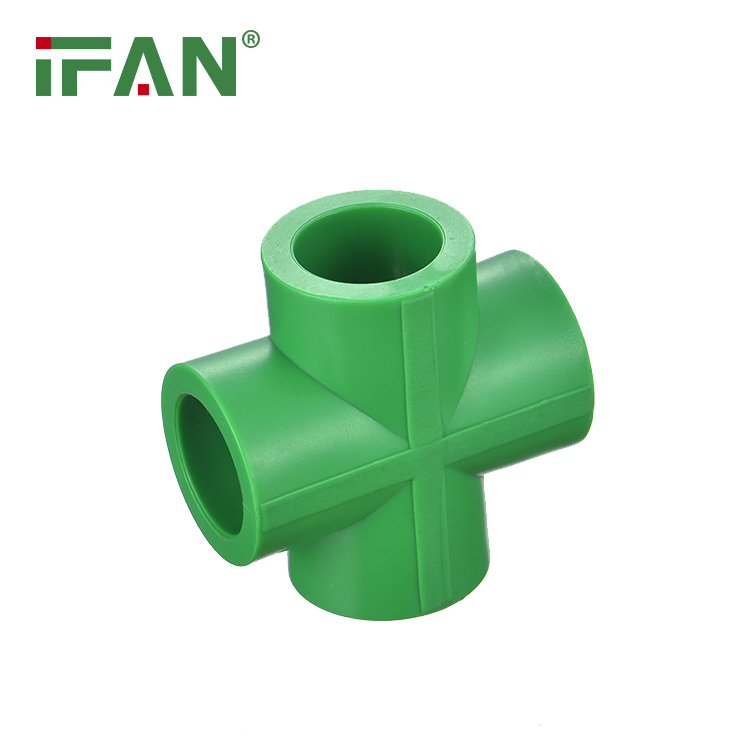
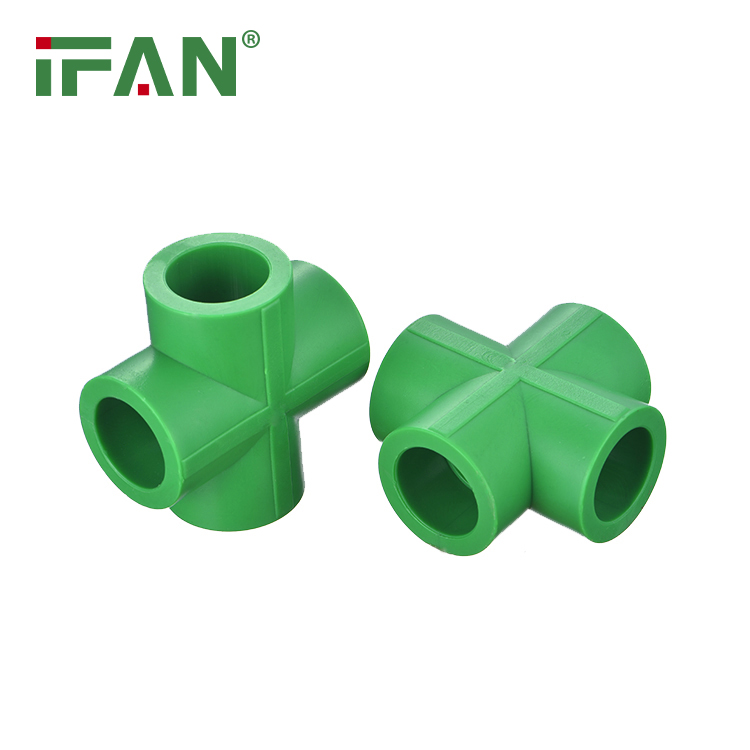
A PPR Cross is a pipe fitting that consists of a central hub with four outlets extending from it. Each outlet can be connected to a separate pipe section, allowing for the distribution of fluids in four different directions. The material used in PPR Crosses is polypropylene random copolymer, which is known for its durability, corrosion resistance, and flexibility.
Specifications of PPR Cross
PPR Crosses are available in various sizes, ranging from small diameters suitable for domestic applications to larger sizes for industrial use. They are designed to fit standard PPR pipe dimensions, ensuring compatibility and ease of installation. The wall thickness and material density of PPR Crosses are carefully engineered to provide optimal strength and durability while maintaining flexibility.
Applications of PPR Cross
PPR Crosses find extensive applications in both residential and commercial plumbing systems. In residential settings, they are commonly used in bathrooms, kitchens, and laundry rooms to connect multiple fixtures, such as sinks, showers, and toilets. In commercial applications, PPR Crosses are used in larger piping networks, such as in office buildings, hospitals, and industrial facilities, for distributing water, heating fluids, or cooling agents.
Benefits of Using PPR Cross
- Efficient Fluid Distribution: PPR Crosses enable the efficient distribution of fluids in four different directions, reducing the need for multiple fittings and simplifying piping layouts.
- Durability and Corrosion Resistance: PPR material is resistant to corrosion and chemical attack, ensuring long-lasting performance and durability.
- Ease of Installation: PPR Crosses are designed to fit standard PPR pipe dimensions, simplifying installation and reducing the need for additional fittings or adapters.
- Cost-Effectiveness: Compared to other materials, PPR is a cost-effective choice for plumbing systems, providing excellent value for money.
Conclusion
PPR Crosses are an essential component of modern plumbing systems, enabling efficient fluid distribution in various piping networks. Their unique design, durability, and ease of installation make them a preferred choice for plumbing professionals. By understanding the specifications, applications, and benefits of PPR Crosses, professionals can make informed decisions when selecting the right fittings for their projects.