Introduction
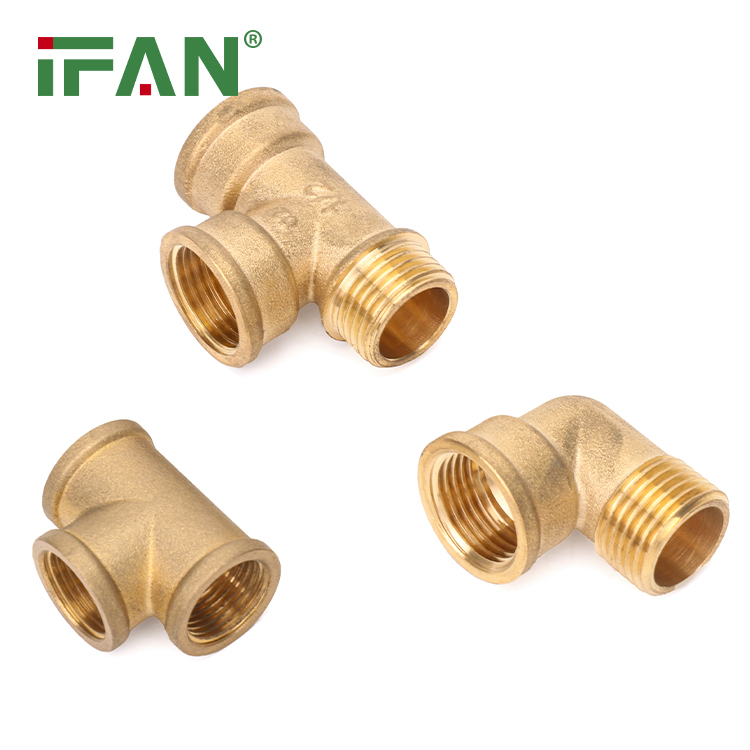
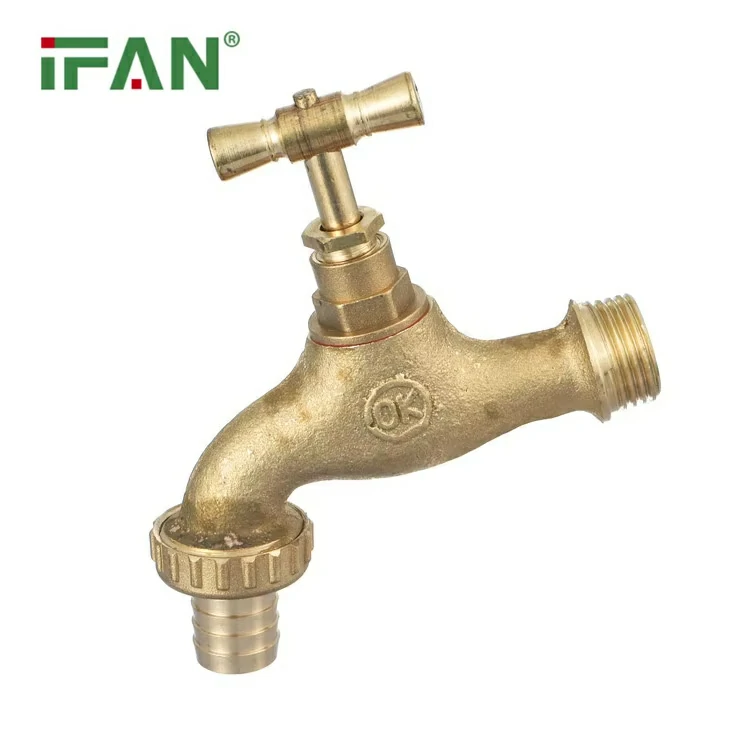
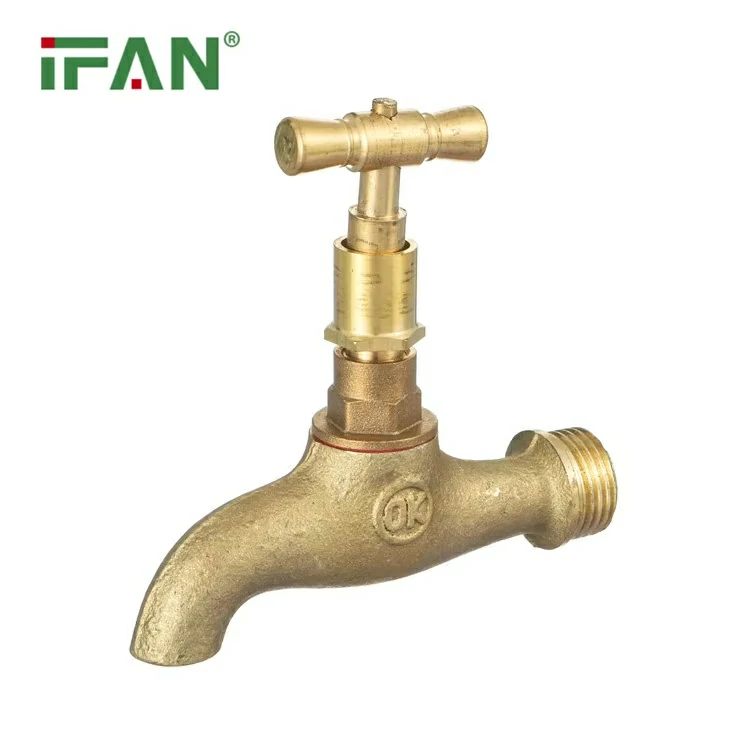
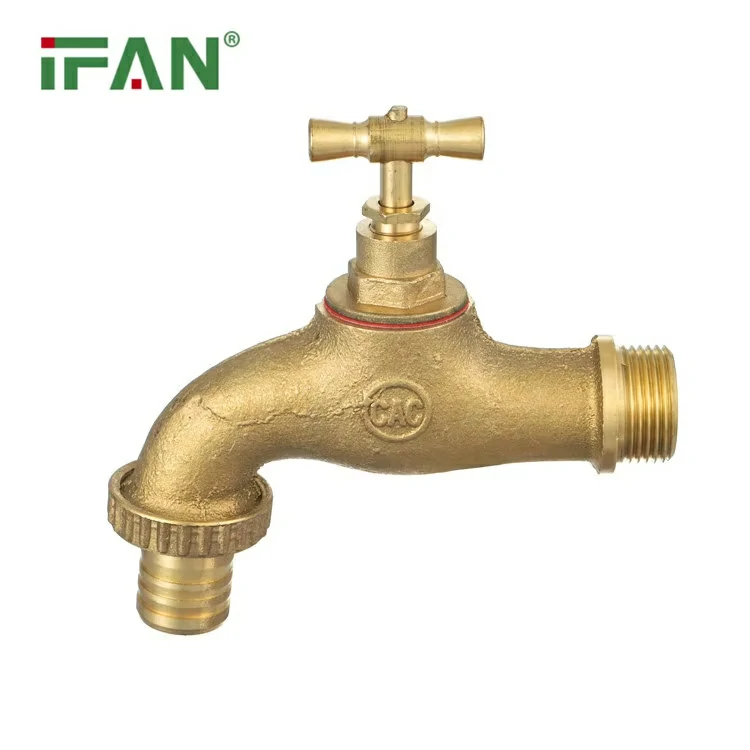
Brass fittings are commonly used in many different industries, including plumbing, construction, and automotive manufacturing. These fittings are popular because of their durability, versatility, and resistance to corrosion. However, little research has been done to explore their hygienic properties. In this article, we will discuss the findings of a recent study that aimed to investigate the hygienic benefits of using brass fittings.
The Hygienic Properties of Brass Fittings
The study, which was conducted by a team of researchers at the University of Southampton, focused on two main areas that could be affected by the use of brass fittings – bacterial growth and water quality. The researchers found that brass fittings have a natural ability to inhibit the growth of harmful bacteria. When bacteria come into contact with brass, an electrochemical reaction occurs that produces a surface layer of copper oxide. This layer is highly effective at killing bacteria, including E. coli, Listeria, and Salmonella.
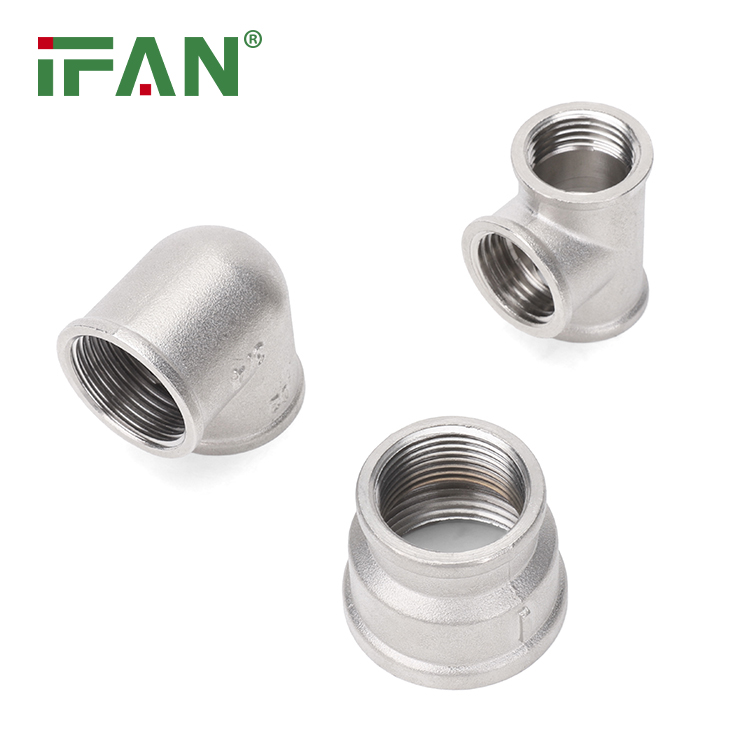
In addition to their antibacterial properties, brass fittings have also been shown to improve water quality. This is because they contain trace amounts of copper, which has been shown to have a positive impact on human health. When water flows through a brass fitting, the copper ions are gradually released into the water, reducing the risk of illness and promoting better overall health.
Recommendations for Using Brass Fittings
Based on their findings, the researchers at the University of Southampton recommend that brass fittings should be used in a variety of settings to improve hygiene. For example, brass fittings could be used in hospitals to reduce the risk of bacterial infections, or in public water systems to improve water quality. Additionally, brass fittings could be used in plumbing systems in commercial and residential buildings to help reduce the spread of disease.
Conclusion
Overall, the study conducted by the researchers at the University of Southampton provides compelling evidence that brass fittings offer significant hygienic benefits. Their antibacterial properties and ability to improve water quality make them an excellent choice for a variety of different applications. As more research is conducted on the hygienic properties of brass fittings, it is likely that their popularity will continue to grow, and we will see them used in an increasing number of industries and settings.