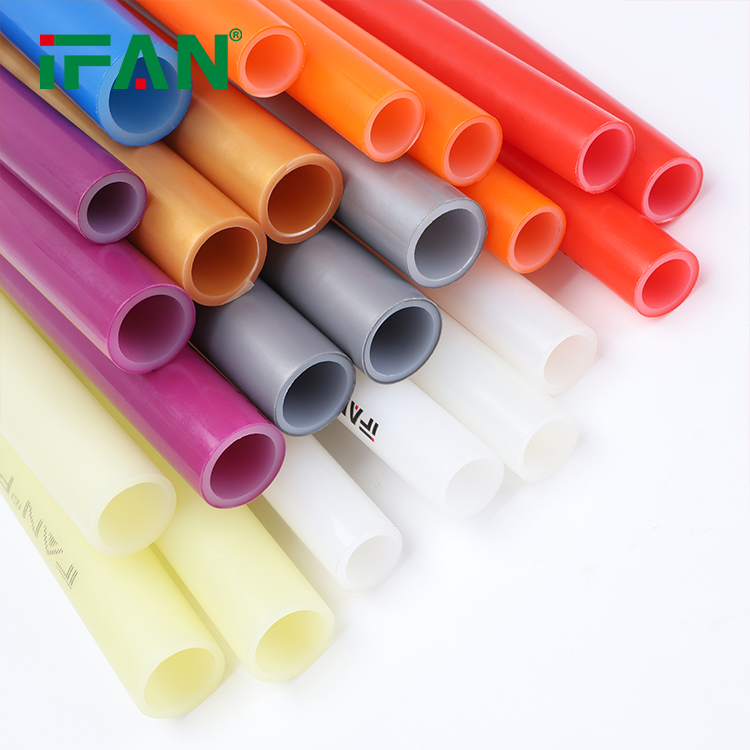
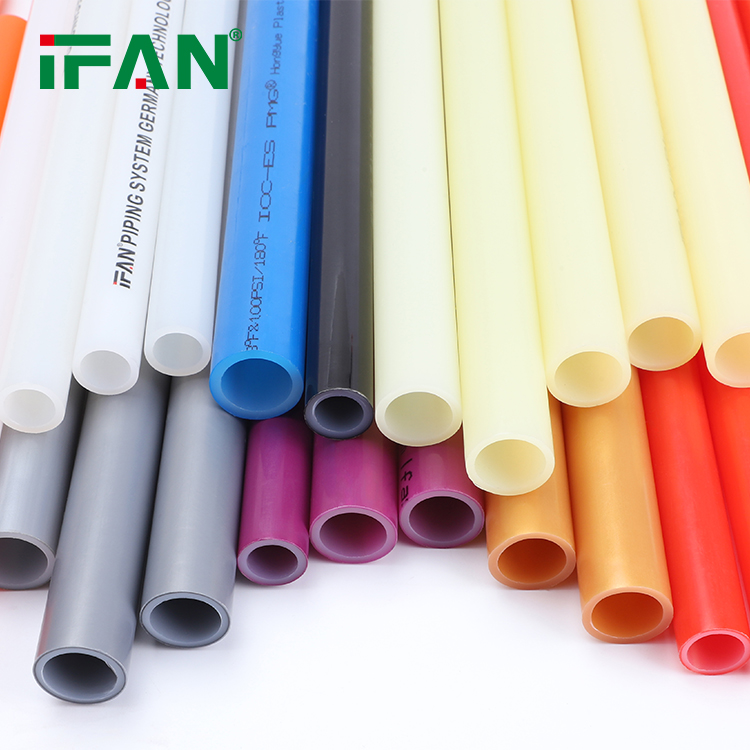
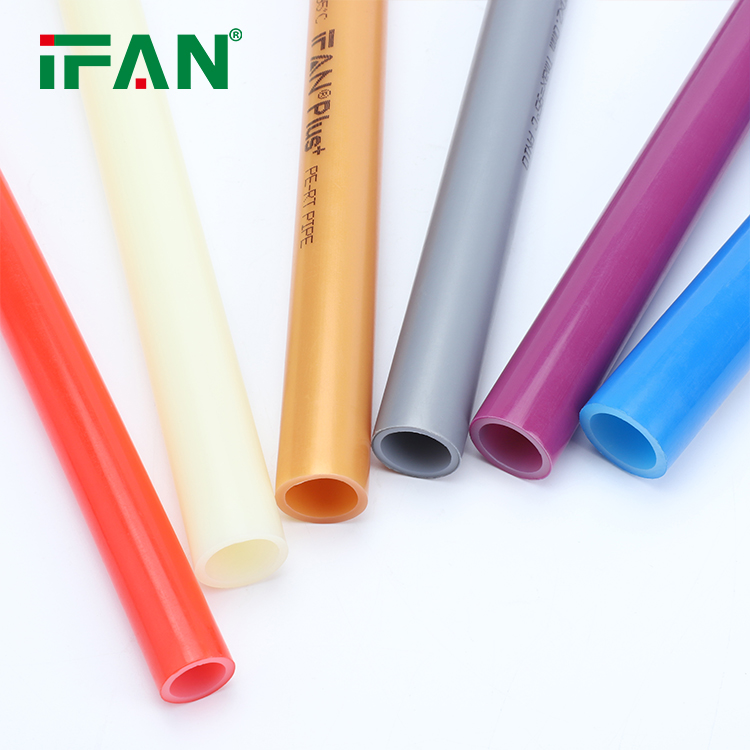
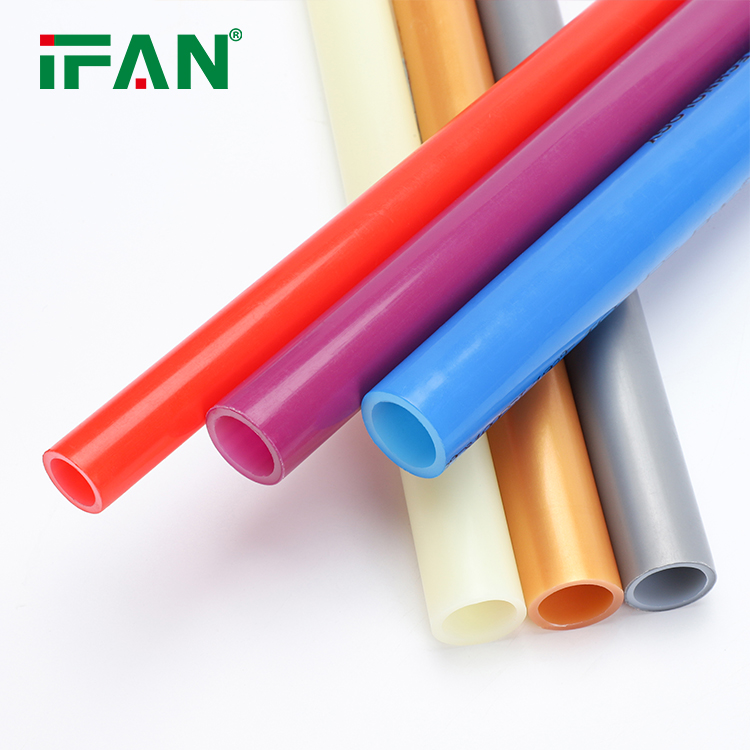
Yes, compression fittings can be used on PEX pipes and are widely used in plumbing applications. PEX (cross-linked polyethylene) is a flexible, durable, and corrosion-resistant material commonly used in residential and commercial plumbing systems. Compression fittings are a popular choice for joining PEX pipes as they provide a reliable and watertight seal.
A compression fitting consists of a threaded compression nut, a brass or plastic compression ring, and a tapered ferrule. The ferrule is inserted onto the end of the PEX pipe, and the compression nut is threaded onto the fitting body, compressing the ferrule onto the pipe and creating a secure connection. These fittings are easy to install and can be used in a variety of applications, including hot and cold water and gas lines.
One advantage of using compression fittings on PEX pipes is that they can be easily installed without the need for special tools or equipment. This makes them a popular choice for DIY projects and small plumbing repair jobs. Compression fittings also allow for easy disassembly and reassembly, making them ideal for applications that may require frequent maintenance or repairs.
Overall, compression fittings are a reliable and effective way to connect PEX pipes in a variety of plumbing applications. Their ease of installation, durability, and versatility make them a popular choice for both DIY enthusiasts and professional plumbers.
Are compression fittings compatible with all types of PEX pipes?
No, compression fittings may not be compatible with all types of PEX pipes. This is because PEX pipes come in different grades, thicknesses, and materials, such as PEX-A, PEX-B, and PEX-C, and may have different diameters. Compression fittings are designed to work with specific types of PEX pipes and may vary in size, material, and shape. It is important to choose a compression fitting that matches the type and size of the PEX pipe you are using.
Furthermore, some compression fittings may require tools, such as crimping tools or clamping rings, to create a proper seal, while others may be hand-tightened. The manufacturer’s instructions should be carefully followed when installing compression fittings to ensure a secure and leak-free connection.
In summary, before using compression fittings for PEX pipes, it is important to check the compatibility and size requirements of both the fitting and the pipe to ensure a safe and reliable connection.
What are the advantages and disadvantages of using compression fittings on PEX pipes?
Compression fittings on PEX pipes offer several advantages, such as a secure connection without the need for soldering, ease of installation and disassembly, and compatibility with different types of pipes. They also allow for adjustments in tight spaces.
However, there are also some disadvantages to using compression fittings on PEX pipes. These fittings tend to be more expensive than other types of connections, and they may require frequent tightening or maintenance to prevent leaks. They may also restrict the flow of water through the pipe and can be prone to failure if not installed correctly or in areas with high water pressure.