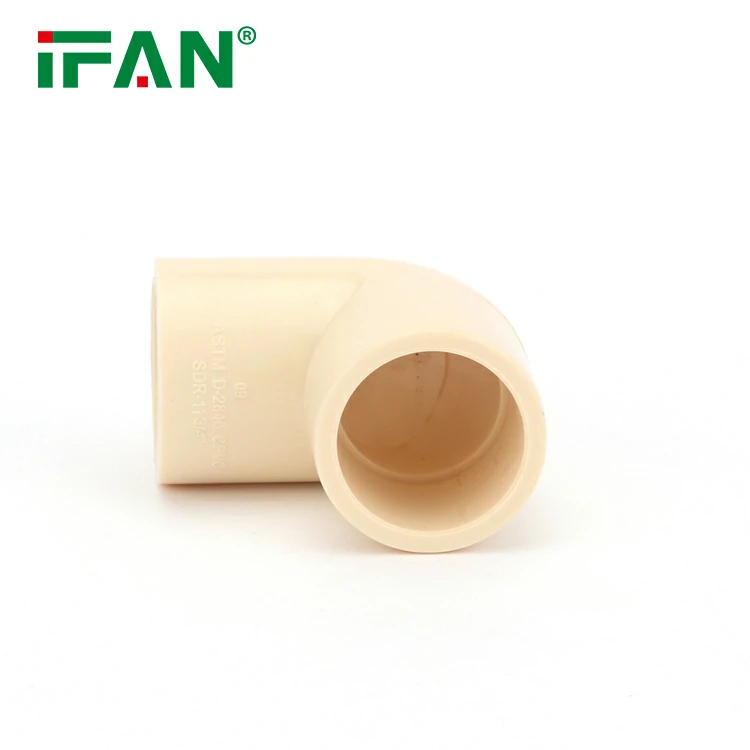
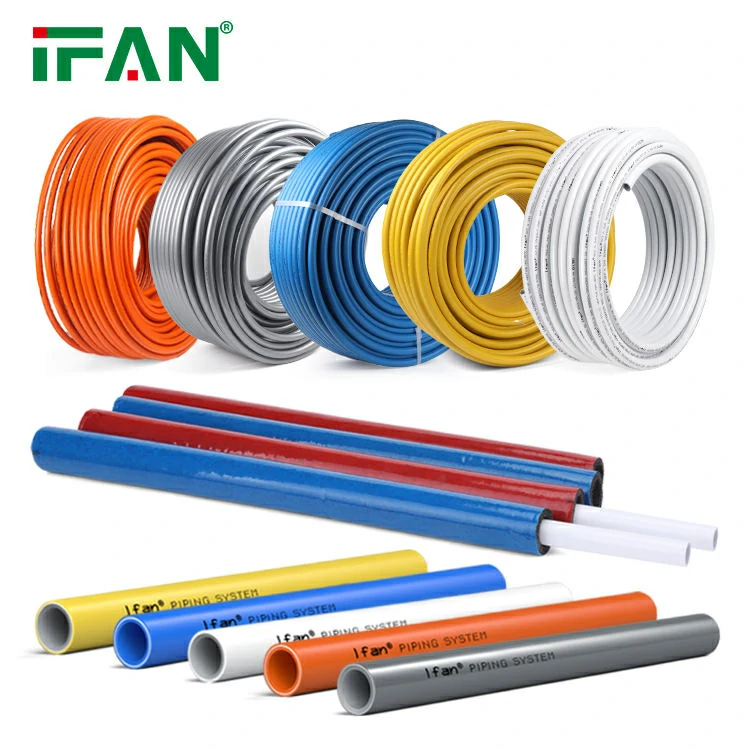
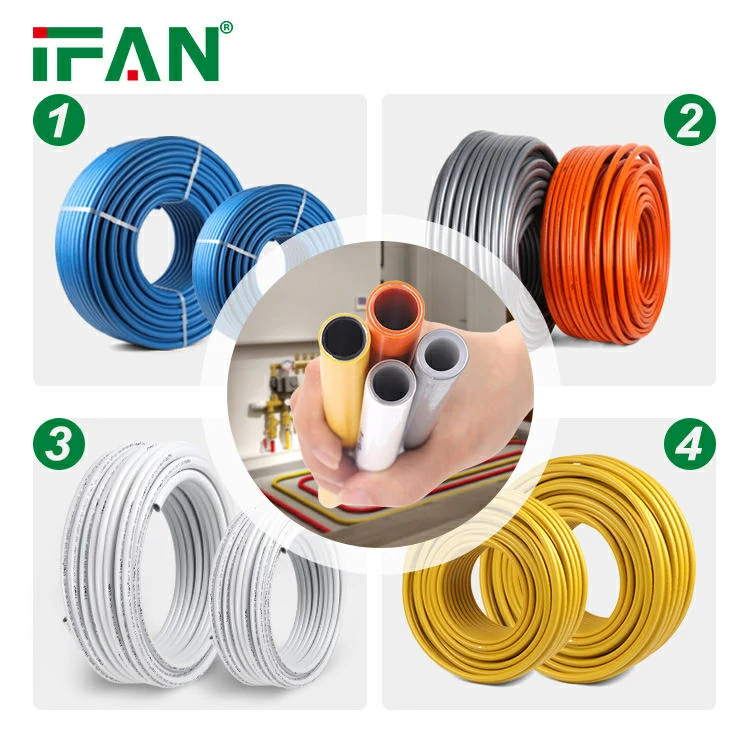
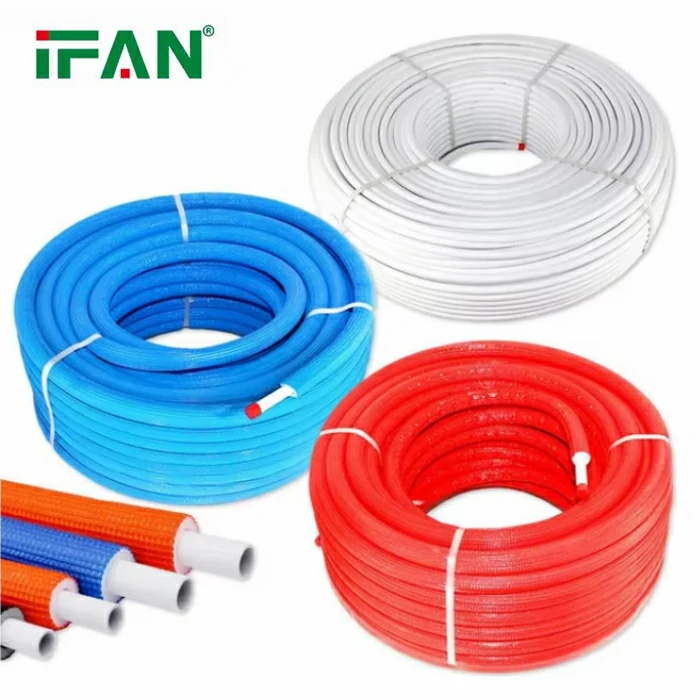
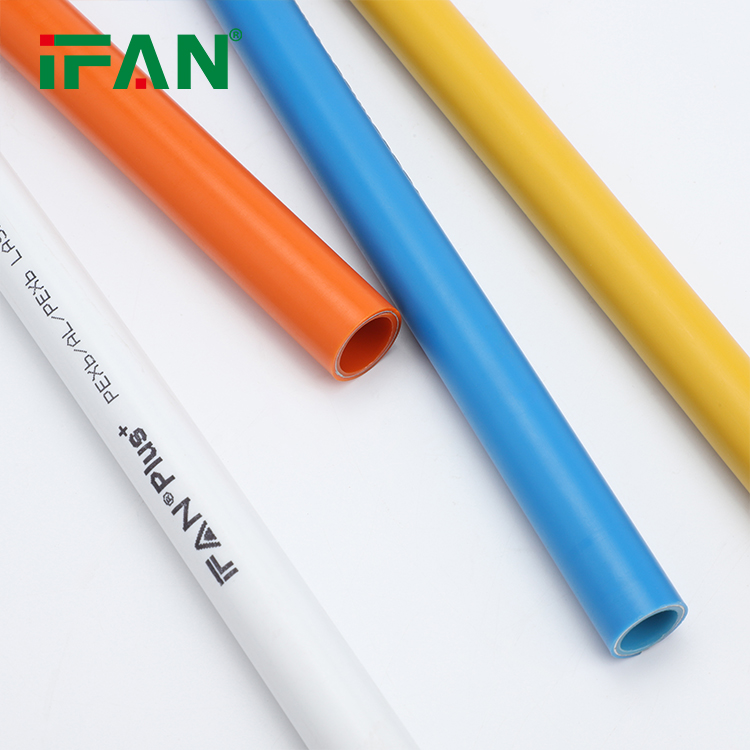
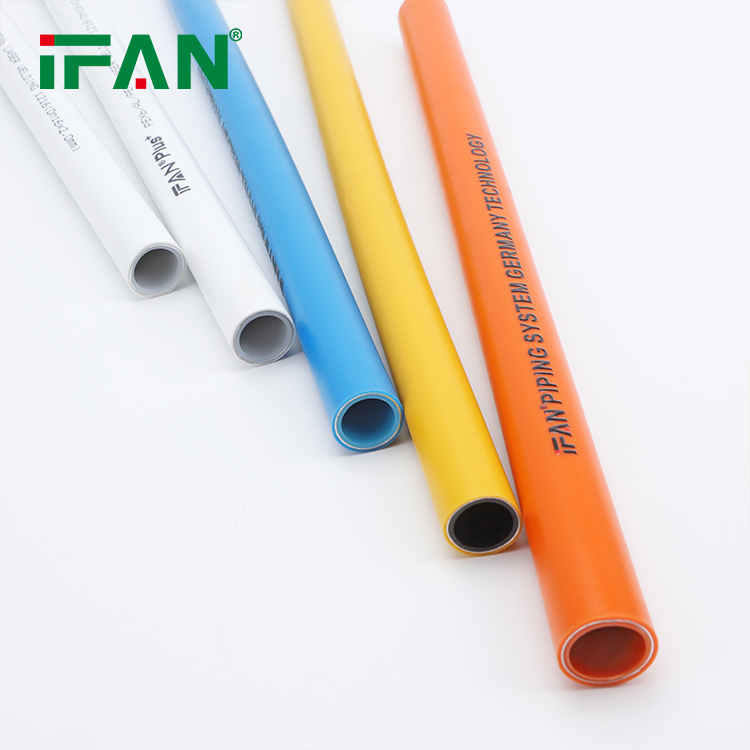
CPVC (Chlorinated Polyvinyl Chloride) pipe fittings are widely used in industrial, commercial, and residential piping systems due to their high strength, durability, and chemical resistance. In this article, we will provide you with some tips on how to choose the best CPVC pipe fittings for a robust and reliable piping system.
- Material (元描述:CPVC Pipe Fittings Material)
The first and foremost factor to consider is the material used in CPVC pipe fittings. Choose fittings made from quality CPVC materials that are suitable for the application and environment. Look for products that meet industry standards and certifications to ensure their safety, performance, and longevity.
- Size and Configuration (元描述:CPVC Pipe Fittings Size and Configuration)
CPVC pipe fittings come in different sizes and configurations to fit various piping systems. Make sure to select fittings that match the dimensions and specifications of the pipes and connectors. Consider the flow rate, pressure, temperature, and direction of the fluid or gas being transported to determine the appropriate size and style of fitting.
- Pressure Rating (元描述:CPVC Pipe Fittings Pressure Rating)
Check the pressure rating of the CPVC pipe fittings to ensure they can handle the maximum pressure and stress of the piping system. The pressure rating should be indicated on the fitting or packaging. Always choose fittings with a higher pressure rating than the expected maximum pressure to ensure safety and reliability.
- Compatibility (元描述:CPVC Pipe Fittings Compatibility)
CPVC pipe fittings should be compatible with the other components of the piping system, such as valves, pumps, and filters. Check the manufacturer’s specifications and guidelines for each component to ensure proper compatibility and optimal performance. Avoid mixing and matching different brands or types of fittings unless approved by the manufacturer.
- Installation and Maintenance (元描述:CPVC Pipe Fittings Installation and Maintenance)
Lastly, consider the ease of installation and maintenance of the CPVC pipe fittings. Look for products that have user-friendly designs, instructions, and tools. Choose fittings that can be easily assembled and disassembled for inspection, repair, or replacement. Regularly inspect and clean the fittings to prevent leaks, corrosion, or damage.
Conclusion (元描述:CPVC Pipe Fittings Conclusion)
In summary, choosing the best CPVC pipe fittings for your piping system requires careful consideration of the material, size, configuration, pressure rating, compatibility, installation, and maintenance. By selecting quality products that meet your needs and standards, you can ensure a robust and reliable piping system that can last for years to come.