Title: The Advantages of CPVC Pipe Fittings that Set Them Apart
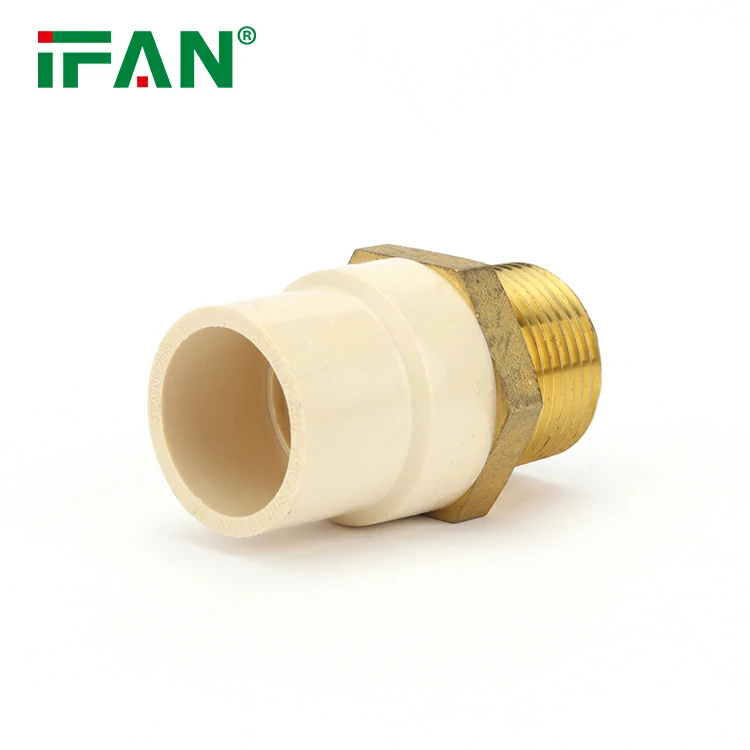
CPVC pipe fittings have become popular in recent years due to their many benefits. Here are some advantages of using CPVC pipe fittings:
- Corrosion Resistance
CPVC pipe fittings are corrosion resistant, making them ideal for use in harsh chemical environments. They are also resistant to scale and algae, ensuring long-lasting performance. - Thermal Resistance
CPVC pipe fittings can withstand high temperatures, making them suitable for use in hot water distribution systems. They can withstand temperatures of up to 200°F, allowing them to be used in various industrial applications. - Easy to Install
CPVC pipe fittings are lightweight and easy to install, reducing installation time and labor costs. They also require fewer fittings and joints, reducing the chances of leakage. - Low Maintenance
CPVC pipe fittings require minimal maintenance and upkeep over their lifetime. Their resistance to corrosion and scale means that they do not need to be replaced as frequently as traditional metallic fittings. - Cost-Effective
CPVC pipe fittings are cost-effective, with a lower material cost than traditional metallic fittings. They also require less maintenance and have a longer lifespan, making them a cost-effective solution overall.
In summary, the advantages of CPVC pipe fittings include corrosion resistance, thermal resistance, ease of installation, low maintenance, and cost-effectiveness. These benefits make them a popular choice in various industrial and commercial applications.
Meta description: Learn the advantages of CPVC pipe fittings, including corrosion resistance, thermal resistance, ease of installation, low maintenance, and cost-effectiveness.