I. Introduction to PPH Fitting Sockets
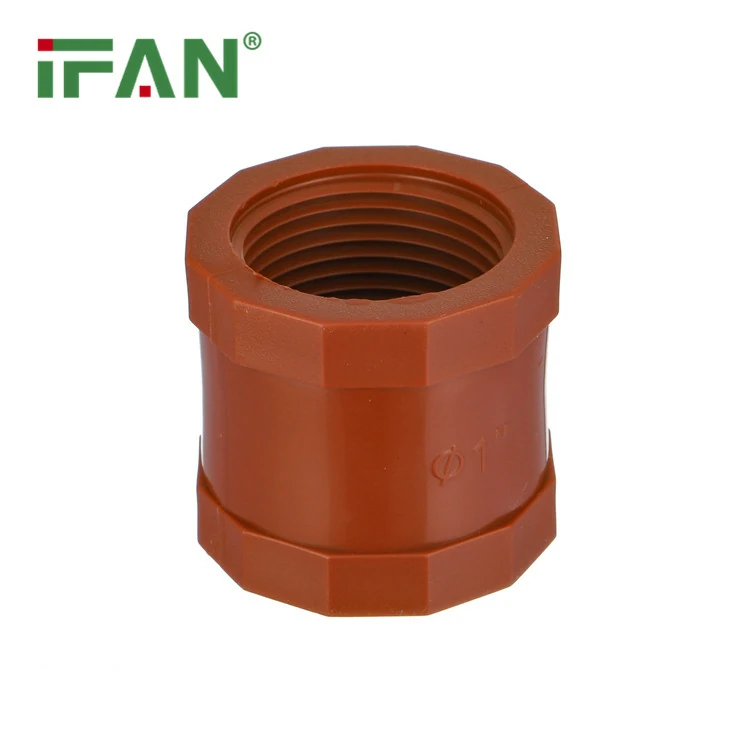
PPH fitting sockets, an integral part of polypropylene homopolymer (PPH) piping systems, are specialized connectors designed to facilitate the secure and leak-proof joining of pipes and fittings. These sockets, crafted from high-quality PPH resin, exhibit exceptional durability, chemical resistance, and temperature tolerance, making them ideal for demanding industrial applications.
II. Unique Features of PPH Fitting Sockets
- Chemical Resistance: PPH fitting sockets possess outstanding resistance to a wide array of chemicals, including acids, bases, and solvents. This feature ensures that the joint remains stable and uncompromised even in harsh environments where traditional materials may degrade.
- Thermal Stability: With a high operating temperature range, PPH fitting sockets can withstand temperatures up to 110°C, making them suitable for hot water, steam, and other high-temperature fluids. Their low-temperature flexibility also allows for use in cold climates without risk of cracking or brittleness.
- Easy Installation and Maintenance: PPH fitting sockets are designed for seamless installation using thermal fusion techniques such as socket welding. This creates a monolithic joint that is as strong as the pipe itself, eliminating the need for additional sealing components. Maintenance is minimal, as the material’s inherent durability reduces the likelihood of leaks or failures.
- Smooth Interior Finish: The interior surfaces of PPH fitting sockets are polished to a smooth finish, minimizing fluid friction and promoting efficient flow. This is particularly important in applications where pressure drop and flow rate are critical factors.
- Versatility: Available in various sizes and configurations, PPH fitting sockets can be customized to meet the specific requirements of different piping systems. From simple straight sockets to complex multi-port configurations, these fittings offer unparalleled versatility.
III. Applications of PPH Fitting Sockets
PPH fitting sockets find widespread application in a range of industries, including chemical processing, pharmaceutical manufacturing, food and beverage production, and wastewater treatment. Their ability to withstand harsh chemicals, high temperatures, and pressure fluctuations makes them an ideal choice for these demanding environments.
IV. Advantages Over Traditional Materials
Compared to traditional metal or PVC fittings, PPH fitting sockets offer several advantages. They are lighter in weight, making installation easier and reducing transportation costs. Their chemical resistance is superior, ensuring longer service life and reduced maintenance requirements. Furthermore, PPH is a non-toxic and recyclable material, making it an environmentally friendly choice.
V. Conclusion and Future Outlook
In conclusion, PPH fitting sockets are a reliable and high-performance option for piping systems in a wide range of industries. Their unique combination of chemical resistance, thermal stability, and ease of installation make them an attractive alternative to traditional materials. As industries continue to evolve and prioritize sustainable solutions, PPH fitting sockets are poised to play an increasingly important role in the future of piping systems. With ongoing advancements in material science and manufacturing techniques, the performance and versatility of these fittings are likely to improve even further, expanding their potential applications.