Introduction to HDPE Ball Valves
HDPE ball valves, constructed primarily from high-density polyethylene (HDPE), have revolutionized the fluid control industry. With their unique material properties and design, HDPE ball valves offer numerous advantages in various industrial applications.
Material Properties of HDPE Ball Valves
HDPE, a thermoplastic polymer, possesses exceptional chemical resistance, making it ideal for handling a wide range of fluids. Furthermore, its high density provides excellent strength and durability, enabling HDPE ball valves to withstand high pressures and temperatures. The material’s natural flexibility also allows for easy installation and maintenance.
Design Features of HDPE Ball Valves
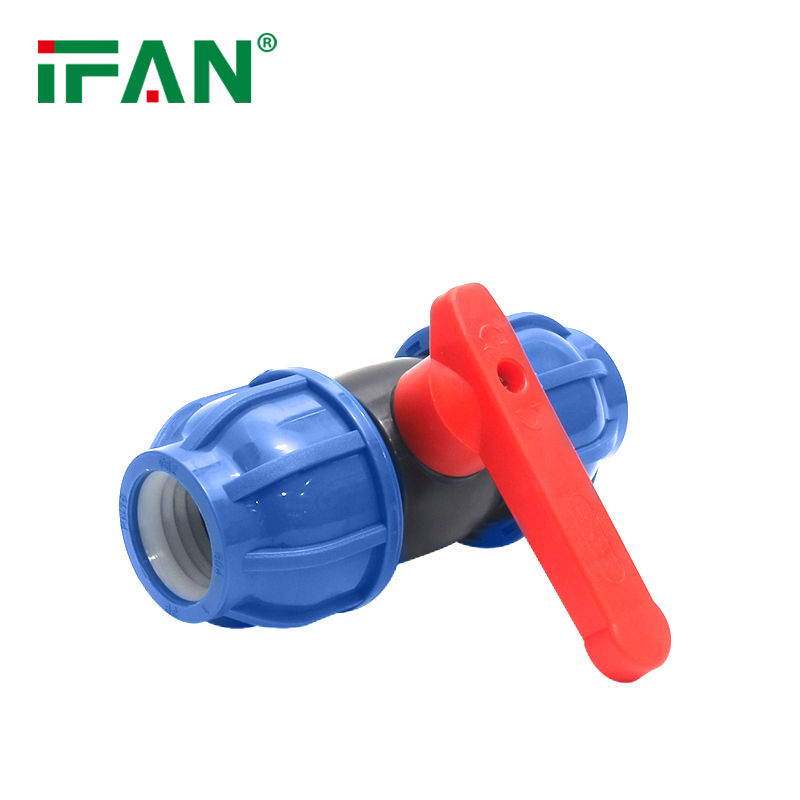
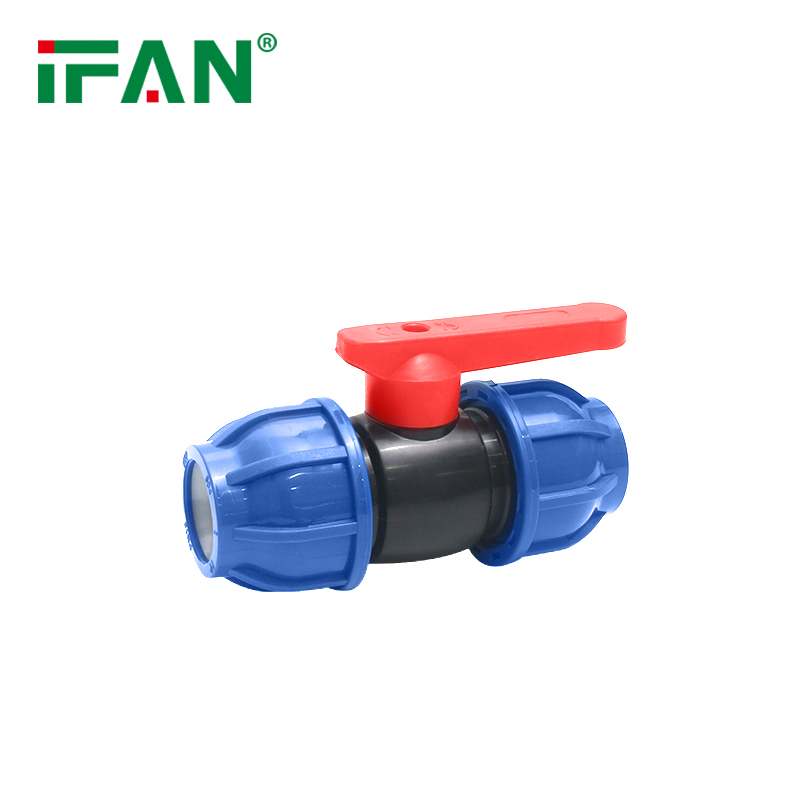
HDPE ball valves feature a spherical disc or “ball” that rotates within the valve body to control fluid flow. The ball has a hole or port that aligns with the valve’s inlet and outlet ports when the valve is open, allowing fluid to pass through. When the valve is closed, the ball rotates to block the flow. This design offers quick and reliable fluid control with minimal pressure drop.
Advantages of HDPE Ball Valves
- Corrosion Resistance: HDPE’s inherent chemical resistance ensures that HDPE ball valves can handle corrosive fluids without degradation.
- Durability: HDPE’s high density and strength provide excellent durability, ensuring long-lasting performance.
- Lightweight: Compared to traditional metal valves, HDPE ball valves are significantly lighter, reducing installation and maintenance efforts.
- Easy Installation: The flexibility of HDPE allows for easy installation in tight spaces and irregular layouts.
- Cost-Effective: HDPE ball valves offer excellent value for money, providing reliable performance at a competitive price.
Applications of HDPE Ball Valves
HDPE ball valves are widely used in various industrial applications, including water and wastewater treatment, mining, chemical processing, and oil and gas extraction. Their corrosion resistance and durability make them ideal for handling corrosive fluids and harsh environments. Additionally, their lightweight and easy installation features make them suitable for remote and inaccessible locations.
Maintenance and Repair
Regular maintenance and inspection are crucial for ensuring the optimal performance of HDPE ball valves. Visual inspections should be performed periodically to check for any signs of wear or damage. If necessary, the valves can be easily repaired or replaced, minimizing downtime and ensuring continuous fluid control.
Conclusion
HDPE ball valves offer numerous advantages in fluid control applications, including corrosion resistance, durability, lightweight, and easy installation. Their unique material properties and design make them a preferred choice in various industries, ensuring reliable and efficient fluid control.