Brass Fittings: The Versatile Solution for Various Plumbing Projects

Brass Fittings: The Versatile Solution for Various Plumbing Projects

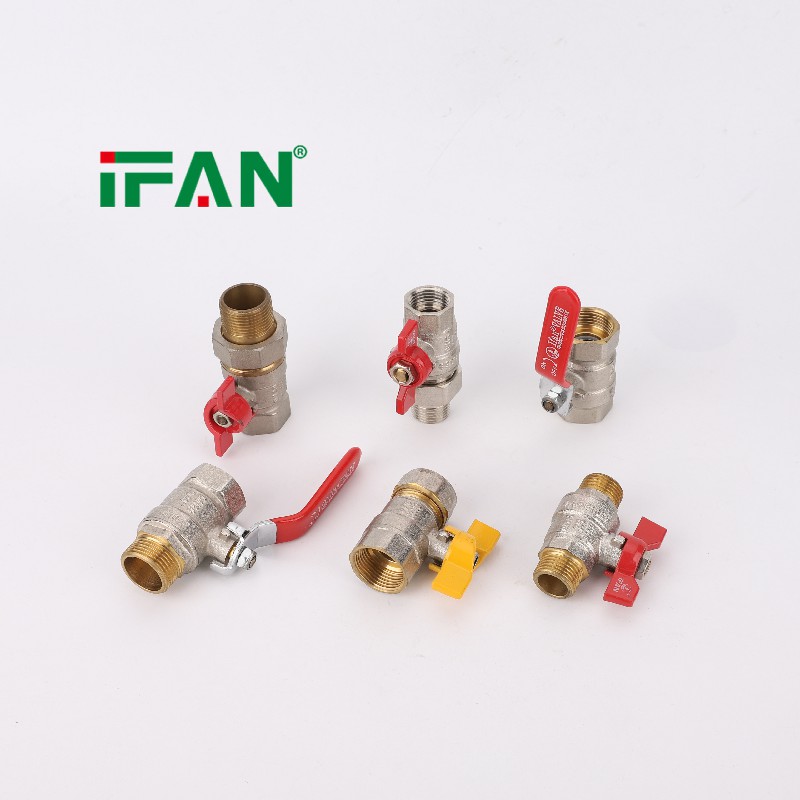
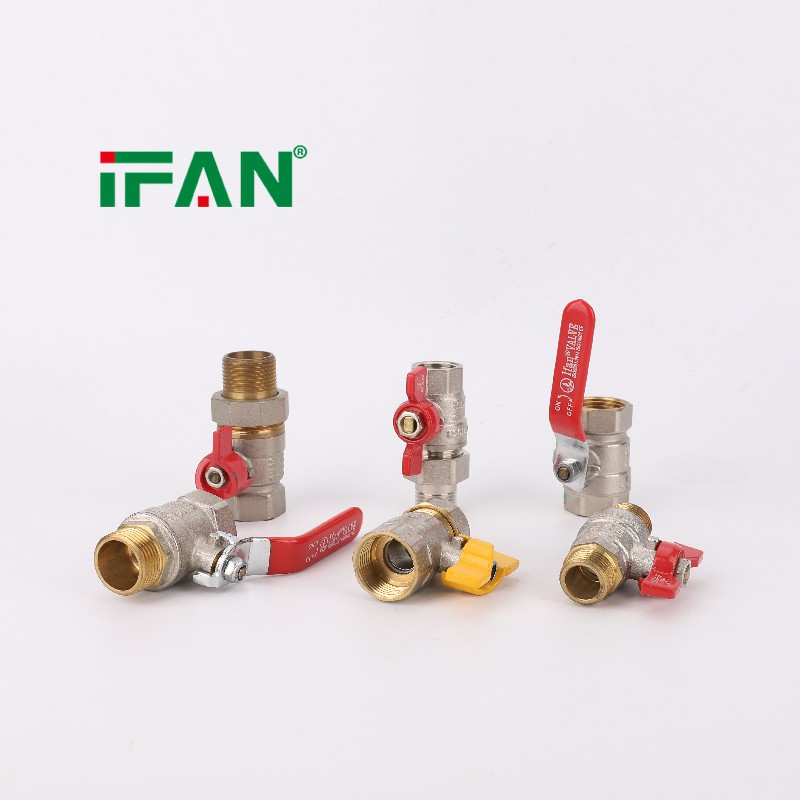
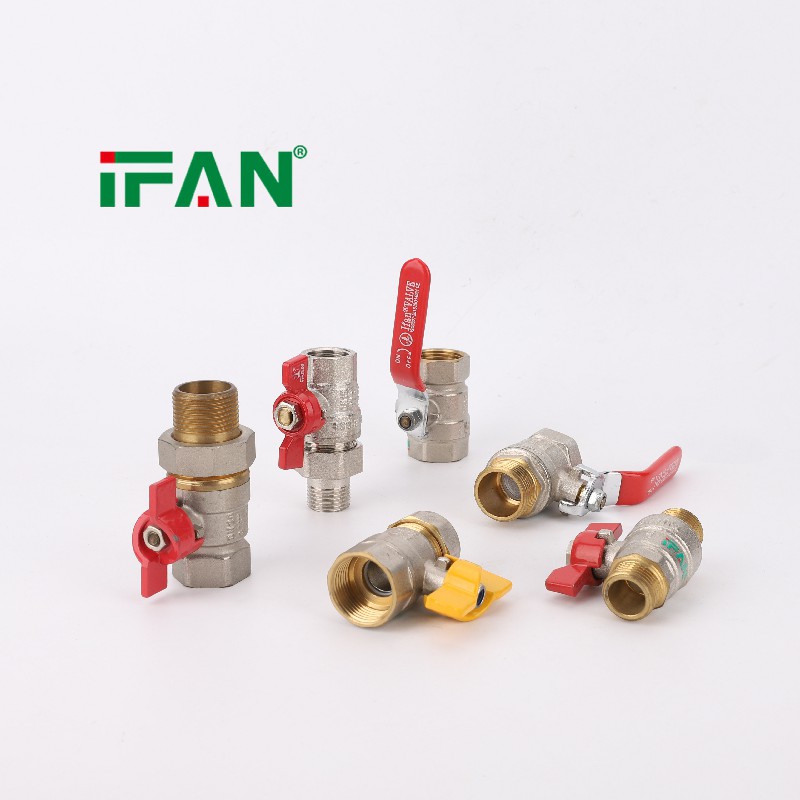
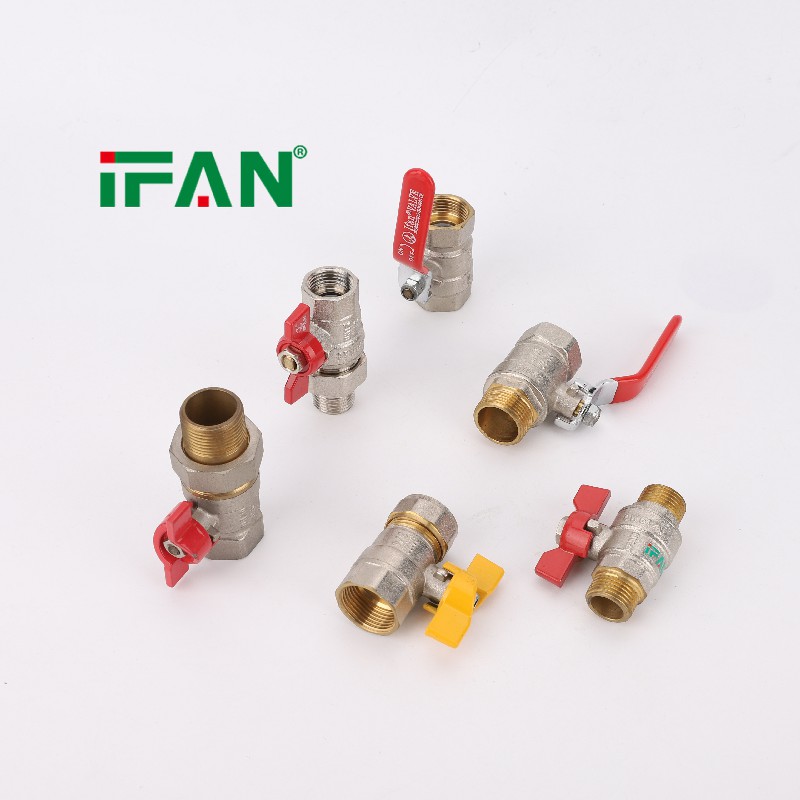
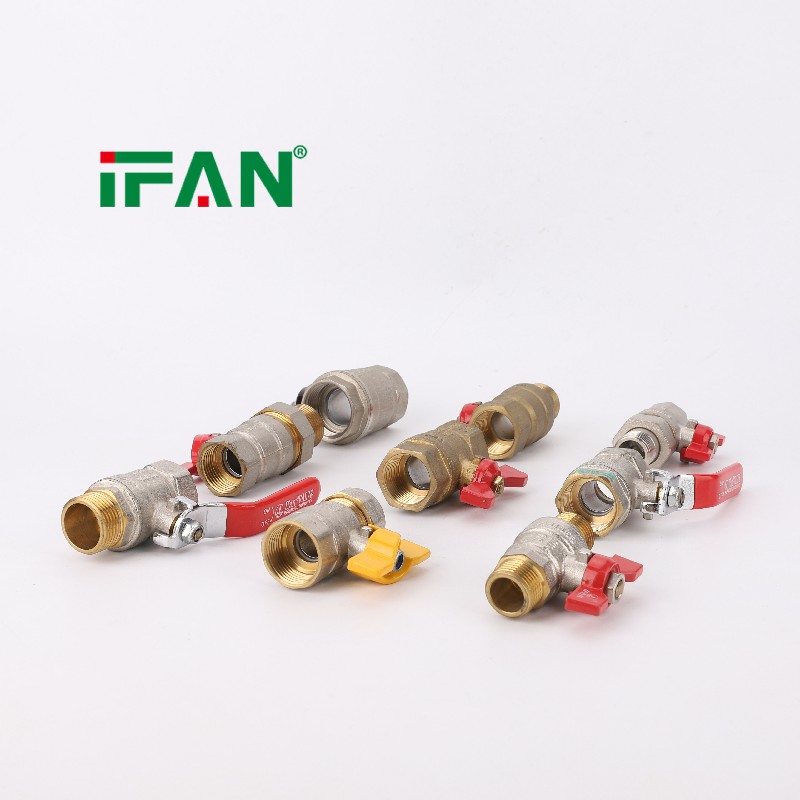
When it comes to plumbing projects, finding the right fittings is crucial for ensuring the success, durability, and functionality of the installation. One of the most versatile options for fittings is brass. Brass fittings are widely used in both residential and commercial plumbing due to their unique characteristics and benefits.

Characteristics of Brass Fittings:

  1. Durability: Brass fittings are highly durable and long-lasting. They are resistant to corrosion and wearing, which means they can withstand harsh environments and extreme temperatures.
  2. Versatility: Brass fittings are compatible with almost all plumbing materials, including copper, PVC, and PEX pipes. This makes them a versatile solution for a wide range of plumbing projects.
  3. Easy to Install: Brass fittings are easy to install, and they come in various shapes and sizes, making them adaptable to different plumbing configurations and requirements.
  4. Aesthetics: Brass fittings are aesthetically pleasing and can add a touch of elegance and sophistication to any plumbing installation.

Benefits of Brass Fittings:

  1. Reliability: Brass fittings provide a secure, leak-free connection, which means they won’t fail or break easily. They are a reliable option that can save you time and money in the long run.
  2. Cost-Effective: Brass fittings are affordable and have a longer lifespan than many other materials. This means that you will spend less on repairs and replacements over time.
  3. Environmentally Friendly: Brass fittings are recyclable and have a lower environmental impact than other materials used in plumbing installations.
  4. Increased Property Value: Installing brass fittings in your home or commercial property can increase its value and appeal to potential buyers.

In conclusion, brass fittings are a versatile, durable, and cost-effective solution for various plumbing projects. Their unique characteristics and benefits make them a reliable option that can save you time and money in the long run while also providing aesthetic appeal and environmental sustainability. If you are considering a plumbing project, choose brass fittings to ensure its success.

Share:

Facebook
Twitter
Pinterest
LinkedIn

Leave a Comment

Your email address will not be published. Required fields are marked *

On Key

Related Posts

IFAN Brass Ball Valves in Irrigation and Agricultural Systems

IFAN Brass Ball Valves in Irrigation and Agricultural Systems

Meeting the Demands of Agricultural Fluid Control Agricultural irrigation systems operate under conditions that are far more punishing than typical residential plumbing. They face continuous exposure to the elements, highly variable water quality, and the constant need for reliable flow control across vast distances. In this environment, valves must be durable, easy to operate, and

Preventing Scale Buildup in Brass Ball Valve Seats

Preventing Scale Buildup in Brass Ball Valve Seats

The Silent Threat to Valve Performance In water supply systems, scale buildup is one of the most common and insidious causes of valve failure. Unlike a catastrophic leak, scale accumulation happens gradually, often going unnoticed until the valve begins to seize or lose its ability to seal completely. When mineral deposits form on the ball

How to Test IFAN Brass Ball Valves After Installation

How to Test IFAN Brass Ball Valves After Installation

Why Post-Installation Testing Is Non-Negotiable Installing a brass ball valve is only half the job. Even a precisely machined valve from IFAN can develop leaks if the installation process introduced stress, cross-threading, or incomplete sealant coverage. Post-installation testing verifies that the valve is functioning as designed and that the surrounding connections are secure. Skipping this

Pipe Sealant vs PTFE Tape for Brass Ball Valve Threads

Pipe Sealant vs PTFE Tape for Brass Ball Valve Threads

The Role of Thread Sealants in Leak Prevention Threaded connections are the most common method for joining brass ball valves to piping networks. However, the threads themselves do not create a watertight seal. The spiral gap between the male and female threads provides a path for fluid to escape under pressure. To close this path,

Female vs Male Threaded Brass Ball Valve Configurations

Female vs Male Threaded Brass Ball Valve Configurations

Thread Configuration as a System Design Decision In the specification of brass ball valves, the internal mechanism—the ball, stem, and seats—often receives the most attention. However, the external thread configuration is just as critical to a successful installation. The choice between a female-threaded and a male-threaded valve dictates how the valve integrates with the surrounding

Get Free Quote NOW