Brass Fittings: A Durable and Cost-Effective Solution for Pipeline Connections
Pipeline connections are an essential component of modern infrastructure that enables the safe and efficient transport of various fluids and gases. However, choosing the right fittings for your pipeline can be a daunting task, especially given the numerous options available in the market. If you are looking for a reliable, durable, and cost-effective solution for your pipeline connections, then brass fittings might be the answer.
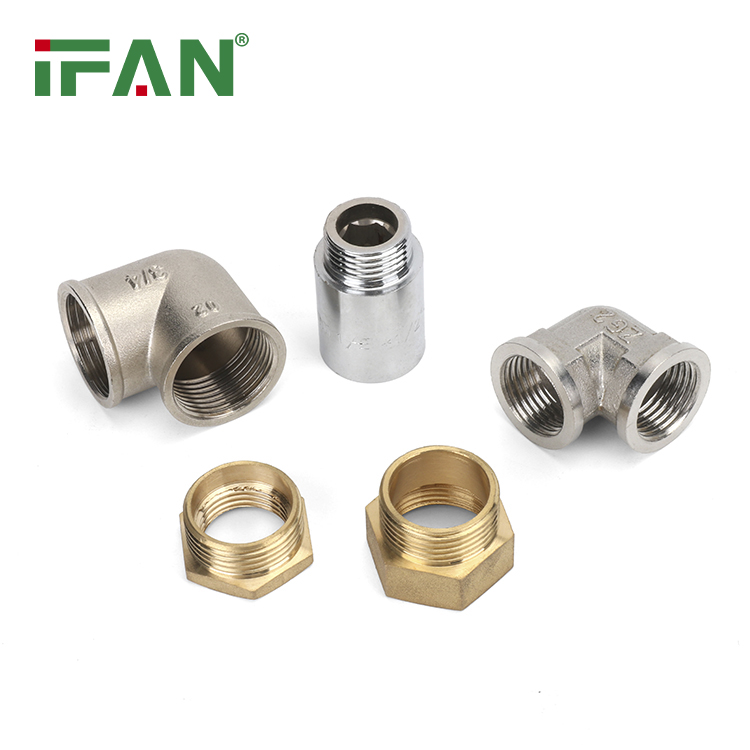
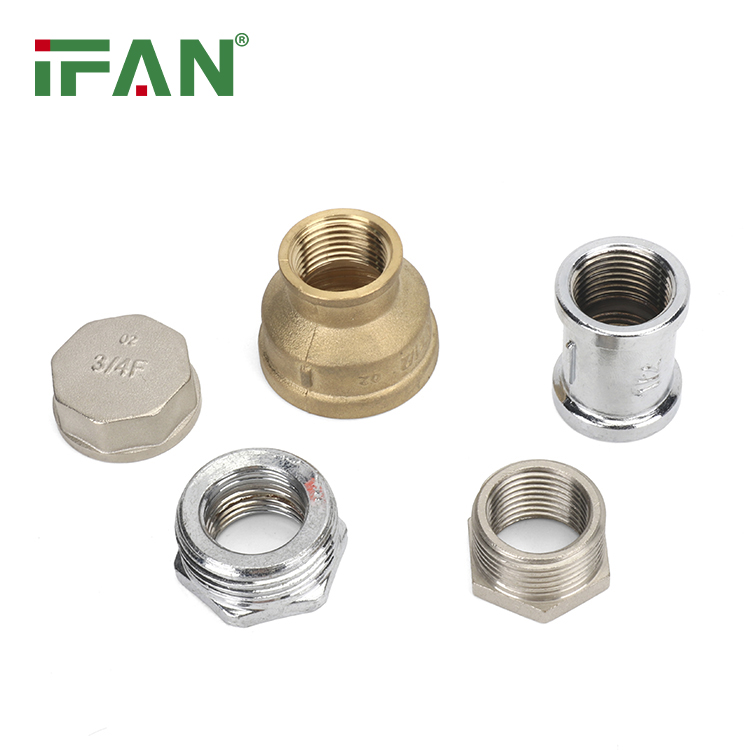
Brass fittings are made from a copper and zinc alloy, and they are renowned for their excellent corrosion resistance, thermal conductivity, and ductility. They are also resistant to stress cracking and erosion, which makes them ideal for use in both high and low-pressure applications. Additionally, brass is easy to machine, which means that it can be customized to fit specific pipeline designs.
One of the key advantages of brass fittings is their durability. Unlike other materials such as plastic and PVC, brass is extremely robust and can withstand extreme temperatures, pressures, and weather conditions. This durability ensures that brass fittings can last for many years, thereby reducing the need for frequent replacements and repairs. This, in turn, translates to cost savings for the end-user, as they do not have to incur frequent replacement costs.
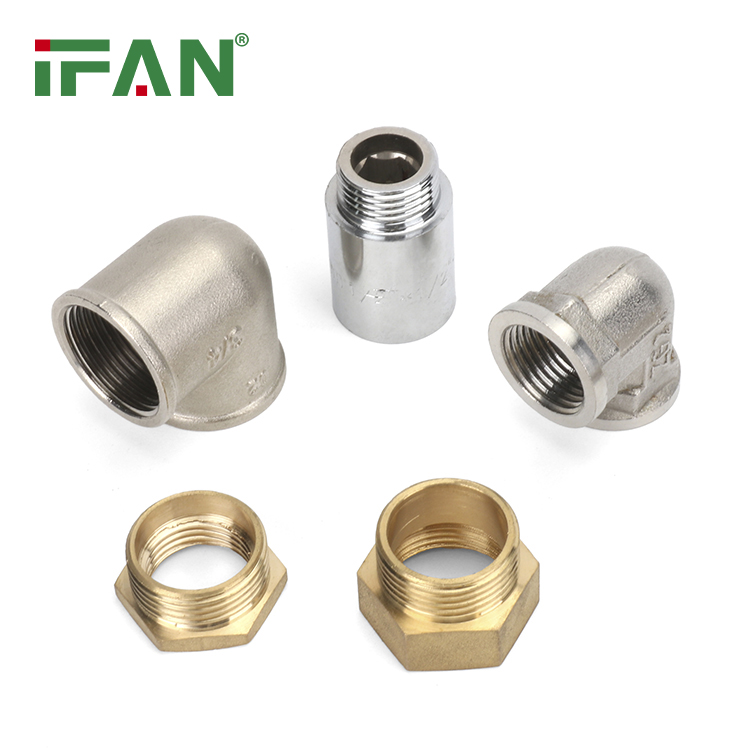
Another advantage of brass fittings is their versatility. Brass fittings can be used for a wide range of applications, including plumbing, heating, water supply, gas supply, air conditioning, and refrigeration. Brass fittings come in various configurations, such as tees, elbows, reducers, couplings, and adapters, making them suitable for complex piping designs.
Furthermore, brass fittings are easy to install and maintain. They do not require any specialized tools or equipment, and they can be assembled using simple hand tools. Brass fittings are also easy to clean and maintain, ensuring that they remain in optimal condition throughout their lifespan.
In conclusion, brass fittings are a durable and cost-effective solution for your pipeline connections. They offer excellent corrosion resistance, thermal conductivity, and ductility, making them suitable for use in various applications. Brass fittings are also versatile, easy to install and maintain, and cost-effective in terms of their lifespan. If you are looking for a reliable and efficient pipeline connection solution, consider brass fittings.