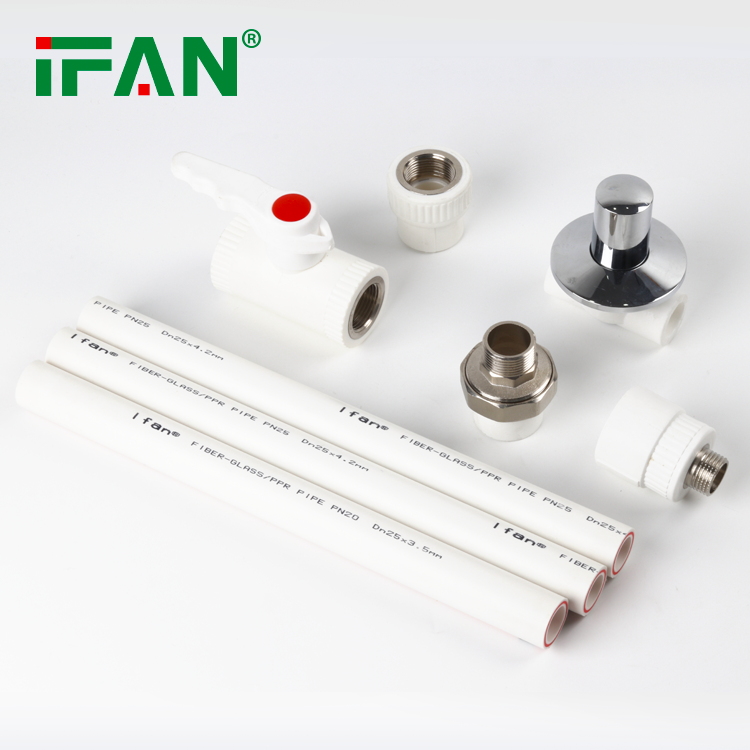
PPR pipe, or Polypropylene Random Copolymer Pipe, has become a leading choice in the plumbing industry due to its exceptional properties and innovative applications. In this comprehensive guide, we delve into the latest advancements, diverse uses, and promising future of PPR pipe.
Latest Advancements in PPR Technology
PPR pipe technology has evolved significantly in recent years, resulting in improved durability, flexibility, and performance. Advanced manufacturing processes have enabled the production of PPR pipes with thinner walls yet higher pressure ratings, making them more efficient and cost-effective. Additionally, new coatings and finishes have been developed to enhance the pipe’s resistance to corrosion and abrasion.
Diverse Applications of PPR Pipe
PPR pipe finds its use in a wide range of applications, spanning from residential to industrial settings. In homes, it is commonly used for hot and cold water distribution, as well as for heating and cooling systems. In commercial buildings, PPR pipe is ideal for central heating and cooling systems, fire sprinkler systems, and even for transporting chemicals and other fluids in industrial processes.
Future Prospects of PPR Pipe
PPR pipe’s popularity is expected to continue to grow in the future due to its numerous advantages. With the increasing focus on sustainability and environmental protection, PPR pipe’s recyclability and low environmental impact make it a preferred choice. Furthermore, the ongoing research and development in PPR technology are likely to yield even more advanced products with improved performance and longer lifespans.
Ease of Installation and Maintenance
PPR pipe offers significant advantages in terms of installation and maintenance. Its lightweight design and flexibility make it easier to handle and install, reducing labor costs and installation time. Additionally, PPR pipe connections can be made using fusion welding techniques, resulting in strong and reliable joints that are leak-free. This ensures long-term durability and minimal maintenance requirements.
Cost-Effectiveness of PPR Pipe
PPR pipe provides a cost-effective solution for plumbing systems. Its durability, long lifespan, and low maintenance requirements reduce the overall cost of ownership compared to traditional metal pipes. Additionally, the availability of a wide range of sizes and fittings allows for customization to meet specific project requirements, further enhancing its cost-effectiveness.
In conclusion, PPR pipe is a superior choice for modern plumbing systems due to its latest advancements, diverse applications, ease of installation and maintenance, and cost-effectiveness. As the industry continues to evolve, PPR pipe is poised to remain a leading contender in the plumbing market.
Free Sample(Click Here to Get Free Sample)