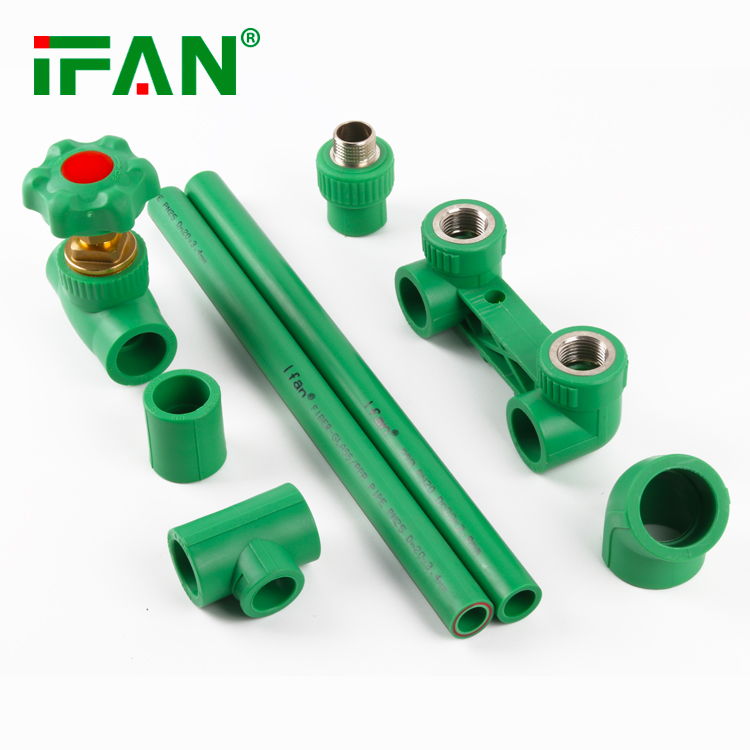
PPR pipe fittings, also known as Polypropylene Random Copolymer, are a popular choice for plumbing in residential and commercial buildings. These fittings are known for their durability, high-quality materials, and ability to withstand high temperatures and pressures. In recent years, PPR pipe fittings have gained use for their positive impact on water conservation.
Water conservation is becoming an increasingly important issue worldwide, as population growth and climate change continue to put pressure on our natural resources. PPR pipe fittings can help reduce the amount of water wasted in plumbing systems by improving the efficiency of water flow. This can have significant benefits for both the environment and our wallets.
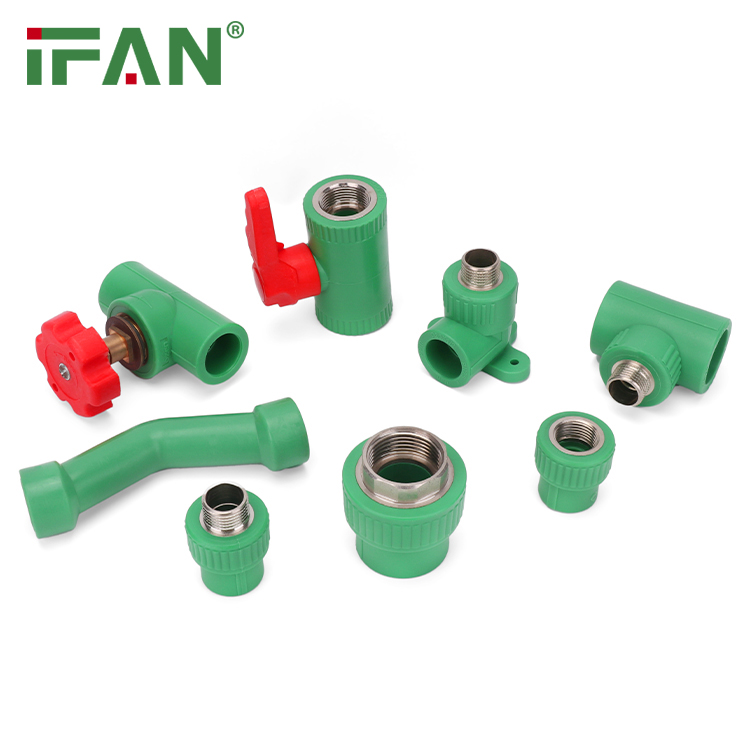
One major advantage of PPR pipe fittings is their ability to minimize leaks and other sources of water waste. Because the fittings are made from durable materials, they are less likely to crack or break over time, which reduces the risk of leaks. Additionally, PPR pipe fittings have smooth internal surfaces, which minimizes blockages and ensures a steady flow of water, further reducing the chance of leaks and other sources of water waste.
Another important benefit of PPR pipe fittings is their impact on energy conservation. By reducing the amount of water wasted in plumbing systems, these fittings can reduce the need for energy-intensive water treatment and distribution processes. Additionally, since PPR pipe fittings are made from high-quality materials, they are less likely to wear down over time, which means that they can last longer and require less energy-intensive maintenance.
Of course, PPR pipe fittings are not a panacea for all of our water conservation problems. Other measures, such as limiting water use and investing in more efficient plumbing systems, may also be necessary to achieve meaningful reductions in water waste. However, PPR pipe fittings are a valuable tool that can help us move towards a more sustainable future.
Overall, the use of PPR pipe fittings in plumbing systems represents a positive step towards water conservation and sustainability. By reducing leaks and other sources of water waste, these fittings can help us conserve our natural resources and reduce energy use. Whether you are a homeowner, a business owner, or a plumbing professional, considering the use of PPR pipe fittings in your plumbing system can be an effective way to help protect our planet for future generations.