The Many Benefits of Using PPR Fittings for Your Plumbing Upgrades
As a homeowner, you always want to make sure that your property is in good condition, especially your plumbing system. Your home’s plumbing is one of the most crucial parts of your property that you have to maintain to ensure its functionality. If you’re planning to upgrade your plumbing system or remedy some of its issues, one of the most recommended solutions is to use PPR fittings.
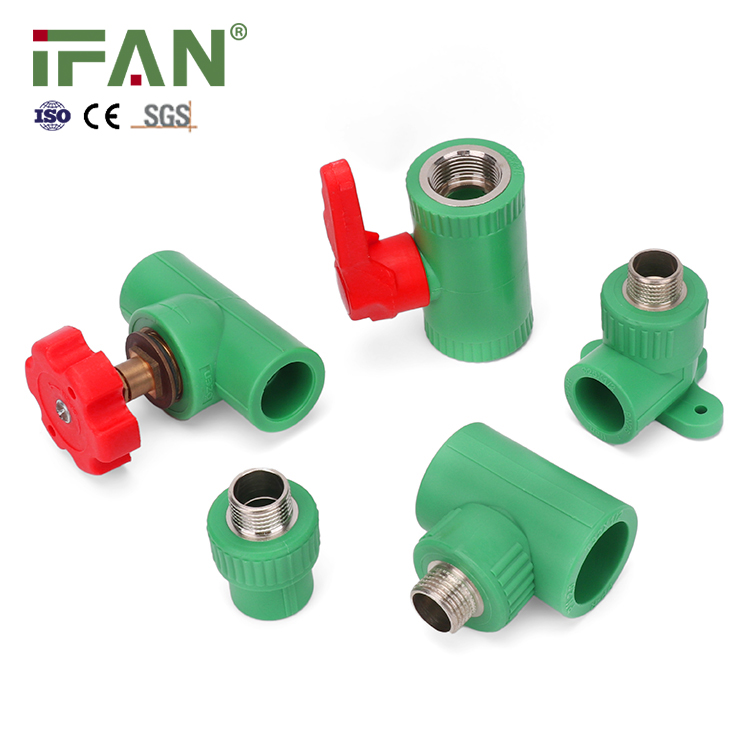
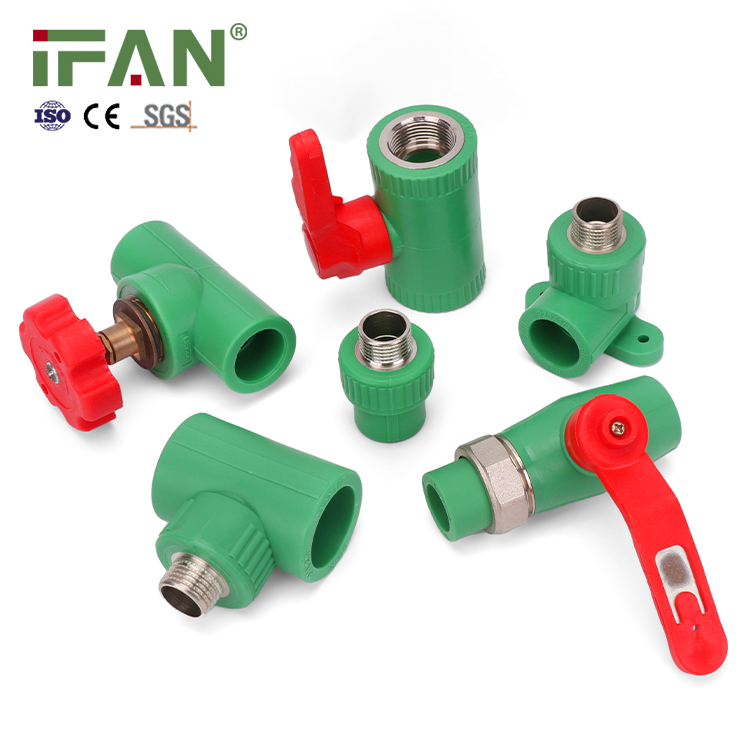
PPR fittings are widely popular in the world of plumbing and are made from a type of plastic called polypropylene random copolymer. They offer numerous benefits that make them an excellent choice over other types of fittings like copper or PVC pipes. In this article, we will discuss the many benefits of using PPR fittings for your plumbing upgrades.
- Durability and Longevity
One of the biggest benefits of using PPR fittings is their durability and longevity. Unlike other plumbing pipes and fittings such as PVC or copper, the PPR pipes and fittings can last up to 50 years or more. They are resistant to high temperatures and chemical corrosion, which means that they can withstand the test of time by staying in good condition for many years.
- Affordability
Another significant benefit of PPR fittings is that they are more affordable than other options like copper or PVC pipes. They are cost-effective and easy to install, which makes them an excellent choice for homeowners on a budget.
- Leak-Proof
PPR fittings are designed to have a tight fit that ensures that they are leak-proof. They have a unique fusion welding system, which means that they are joint by fusing the pipes together rather than using glue or other adhesives that can break down over time.
- Chemical Resistance
PPR fittings are chemical resistant, which means that they cannot be corroded by any chemicals found in your water. You don’t have to worry about your pipes’ integrity getting compromised due to chemicals in the water, which can lead to other plumbing issues.
- Easy to Install
PPR fittings are easy to install, which makes them an excellent choice for homeowners who want to tackle the installation themselves. They require minimal tools and have a simple connection process that anyone can easily understand.
- Environmental Friendly
PPR fittings are environmentally friendly as they are made from recyclable materials. They are not harmful to the environment, and when they’re no longer in use, they can be reused or recycled.
In conclusion, PPR fittings are an excellent choice for homeowners who want to upgrade their plumbing system or solve some of their issues. With their durability, affordability, leak-proof, chemical resistance, ease of installation, and being environmentally friendly, PPR fittings are a reliable and smart choice to make. Upgrade your plumbing system today with PPR fittings and enjoy the many benefits they offer.