Improve Water Quality and Save Money with Plastic Bibcocks!

Improve Water Quality and Save Money with Plastic Bibcocks!

Introduction:

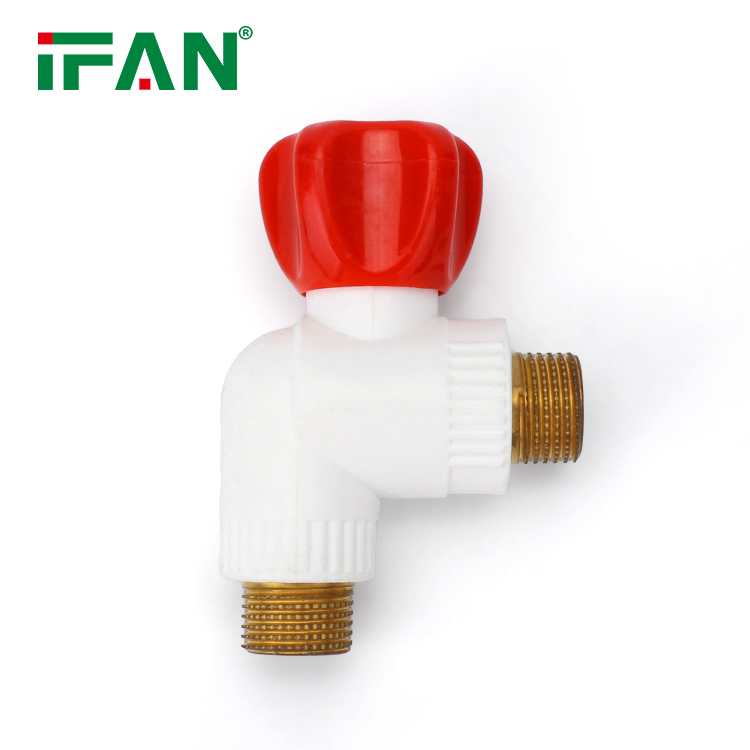
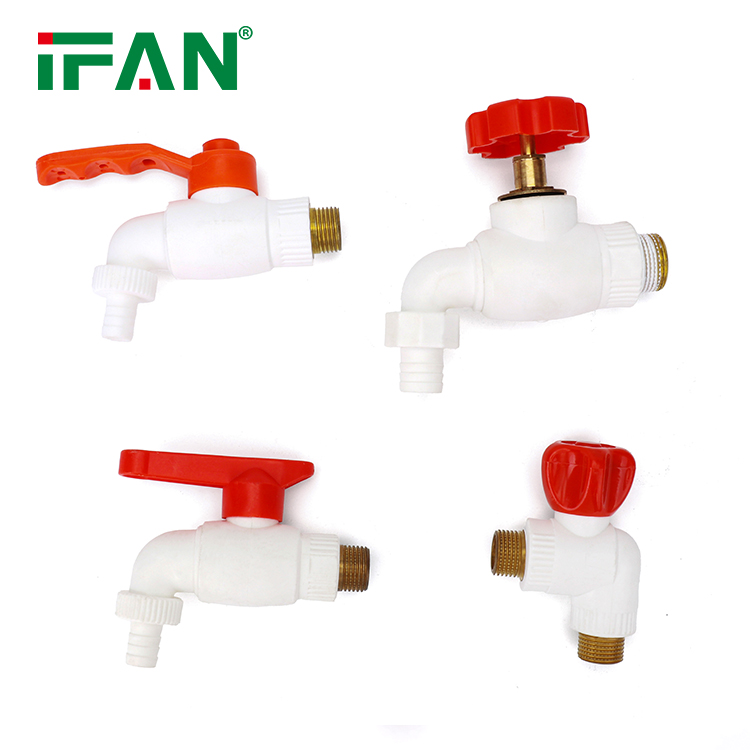
When it comes to maintaining the quality of household water systems and saving costs in the long run, plastic bibcocks come in handy. Not only are they economical and sustainable, but they are also designed to improve the quality of your water.
Why Use Plastic Bibcocks?

Plastic bibcocks are practical solutions that improve water quality while keeping your expenses low. The following are the main reasons why you should use them:

  1. Cost-Effective:

When compared to metal taps, plastic bibcocks are much cheaper, providing a budget-friendly alternative without sacrificing quality.

  1. Durability:

These bibcocks come with high-performance plastic material, making them strong and durable. They have the ability to withstand extreme temperatures and are resistant to rust, making them a perfect choice for long-term use.

  1. Improved Water Quality:

Plastic bibcocks help to improve water quality by ensuring that the water coming out of the tap is not contaminated. They are designed with airtight seals that prevent dirt or other particles from getting into the system.

  1. Easy to Install:

Plastic bibcocks are straightforward to install, making it a DIY project that saves you time and money. Typically, there is no need to hire a plumber because all you need is a pair of pliers and basic knowledge of plumbing to get the job done.

  1. Environmentally Friendly:

Using plastic bibcocks also means you are contributing to a sustainable environment. They reduce greenhouse gas emissions during production and disposal as opposed to metal alternatives.

Conclusion:

In summary, plastic bibcocks are an excellent investment for households looking to improve their water quality while keeping costs low. They offer durability, improved water quality, easy installation, and are environmentally friendly. Make the switch today and experience the benefits of plastic bibcocks for yourself!
Share:

Facebook
Twitter
Pinterest
LinkedIn

Leave a Comment

Your email address will not be published. Required fields are marked *

On Key

Related Posts

IFAN PEX Serpentine vs Spiral Layout for Radiant Floor Heating

IFAN PEX Serpentine vs Spiral Layout: Which Pipe Pattern Wins for Radiant Floor Heating? Bottom Line First: It Depends on Your Room If you’re installing radiant floor heating, you’ve probably lost sleep over this — serpentine or spiral pipe layout? The internet is full of conflicting advice. Some say serpentine is more even. Others claim

IFAN PPR Pipe Integration with Copper Tubing in Plumbing Systems

How to Connect IFAN PPR Pipe with Copper Tubing in Plumbing Systems — 3 Methods That Actually Work Why Would You Even Mix PPR and Copper in One System? Here’s the thing most homeowners don’t think about until the plumbing starts going in. PPR pipe is cheap, lightweight, easy to install — it’s the default

IFAN PPR Fittings Thermal Endurance Testing Performance

IFAN PPR Fittings Thermal Endurance Test Performance: The Numbers Don’t Lie — 131.5°C Is the Real Benchmark Price Isn’t Everything — Thermal Test Data Is the Real Truth Most people pick PPR fittings based on two things: price and brand name. But the spec that actually decides how long your plumbing will last is one

IFAN PPR Piping Systems Compliant with ISO 15874 Standards

IFAN PPR Piping Systems Compliant with ISO 15874 Standards:Before You Buy Pipes, Check the Standard First What Is ISO 15874? Think of It as the Global Exam for PPR Pipes Most people shop for PPR pipes by price and color. Nobody talks about standards. But any experienced engineer or procurement guy will ask one thing

IFAN PEX Below-Floor Suspended Tubing Installation Methods

IFAN PEX Below-Floor Suspended Tubing Installation Methods: 3 Proven Ways Explained What Exactly Is Below-Floor Suspended PEX, and Why Is It Taking Off? Put simply, below-floor suspended PEX means hanging the pipes under the floor slab using clips or brackets — no trenching, no chasing walls. The pipes literally float in the cavity. This method

Get Free Quote NOW