A Look into the Future of Brass Fittings
Introduction:
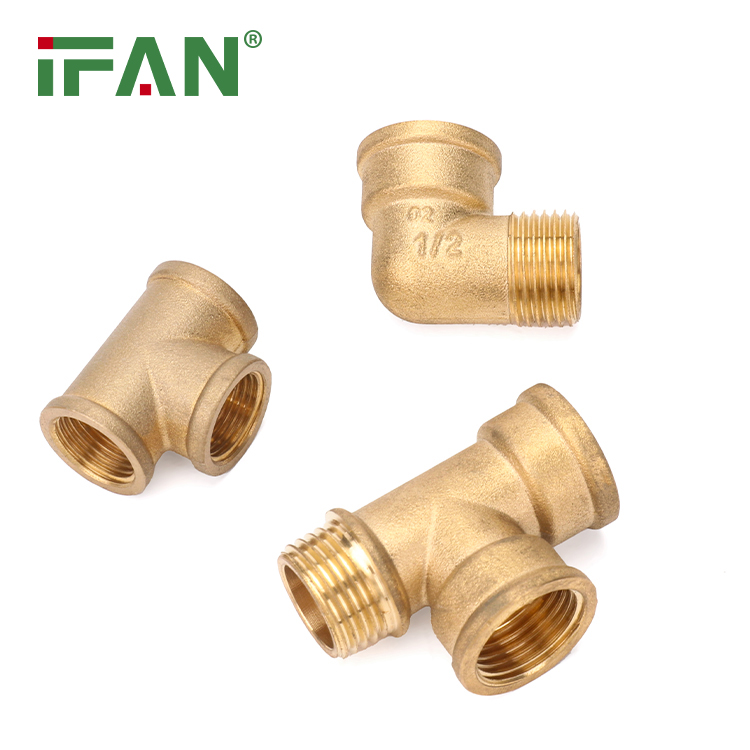
Brass fittings are essential components that enable the plumbing and HVAC industry to function. These fittings offer stability, durability, and affordability that make them a go-to choice for professionals in the industry.
Increasing Demands:
The demand for brass fittings is expected to increase, and this can be attributed to various factors, including the rising need for water-conserving products, new construction and renovation projects, and advanced technologies in the industry.
Innovative Technologies:
Recent technological advancements have brought forth significant changes in the brass fittings industry, allowing for the development of more efficient and sustainable products. These innovations include the introduction of lead-free brass fittings, more precise machining capabilities, and quicker production times.
New Applications:
Brass fittings are now being used in non-traditional industries for applications such as electrical conduits, solar power systems, and even jewelry. Manufacturers will continue to develop and provide fittings that meet new demands from various industries.
The Future of Brass Fittings:
The future looks bright for brass fittings as the industry expands and evolves, delivering countless opportunities for growth and innovation. This growth is anticipated to continue for the foreseeable future, providing more jobs and attracting new talent to the industry.
Conclusion:
Brass fittings will remain an essential component of different industries that require plumbing and HVAC services. With new applications, increasing demand, and innovative technologies, the industry will continue to thrive, shaping the future of brass fittings.