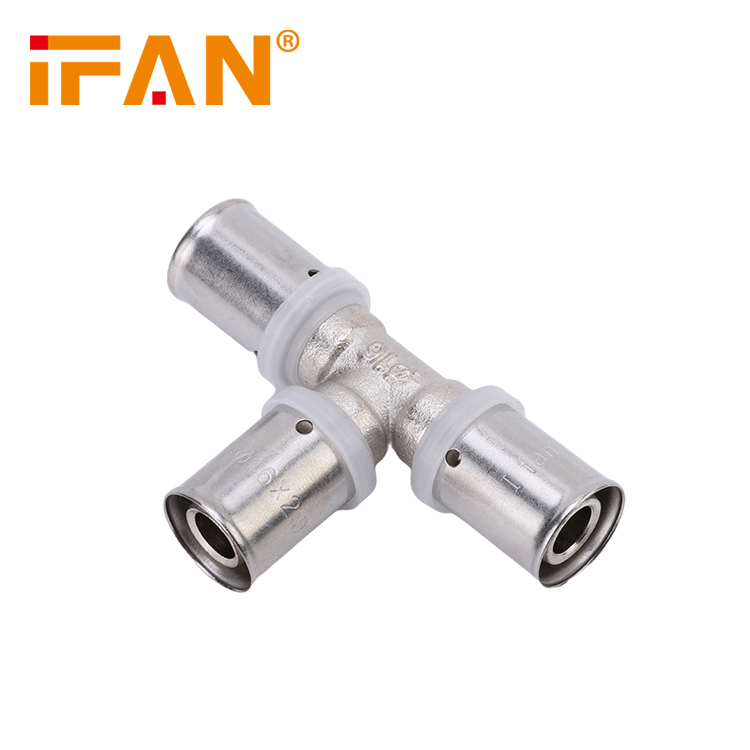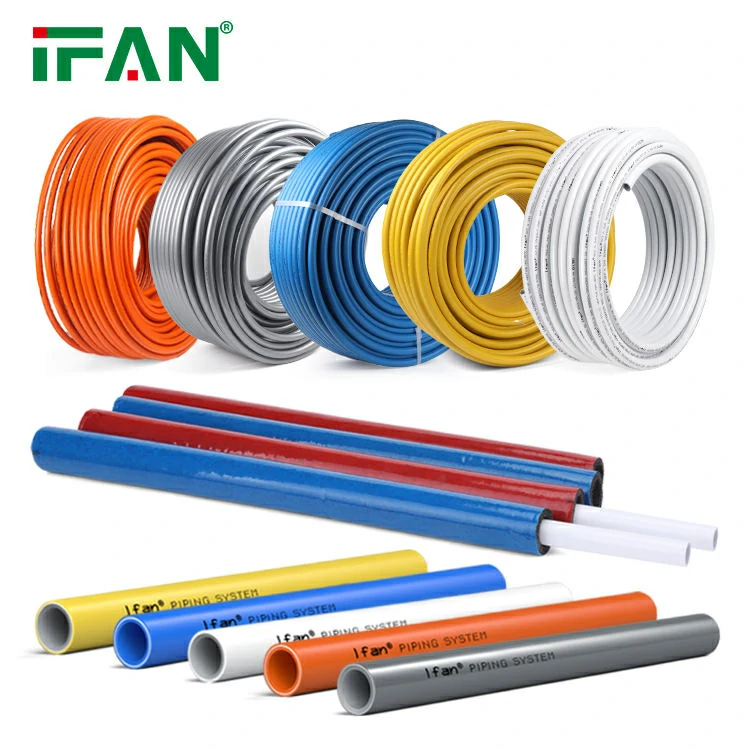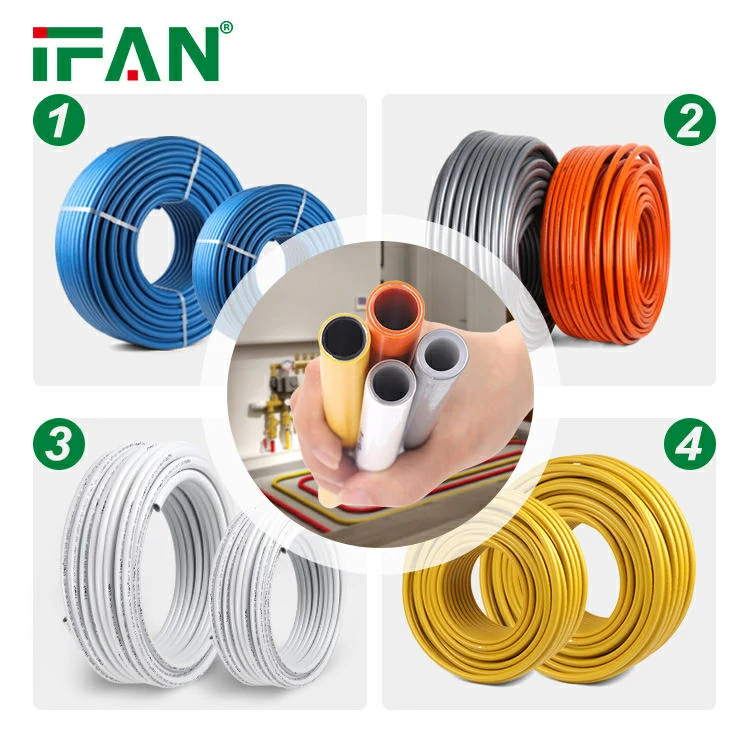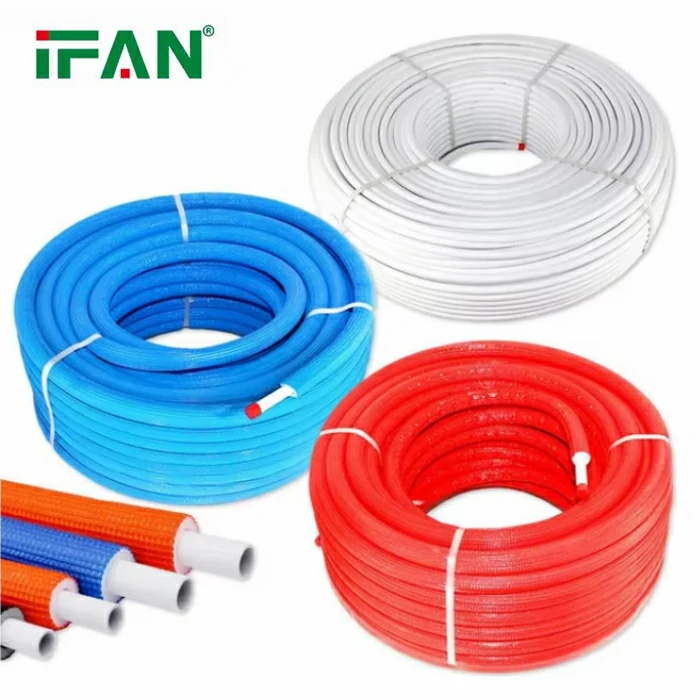
Invest in PEX Fittings for Your Home’s Plumbing Needs
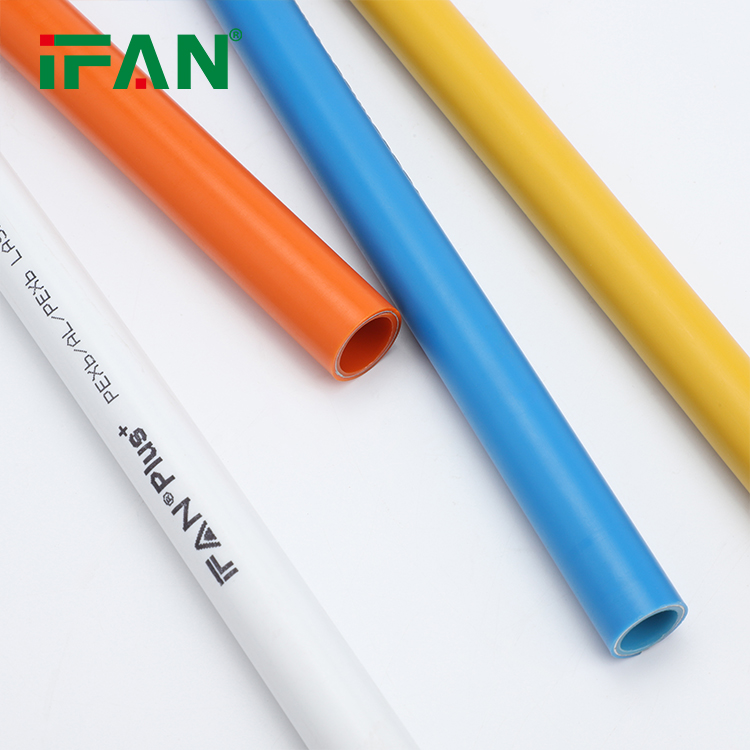
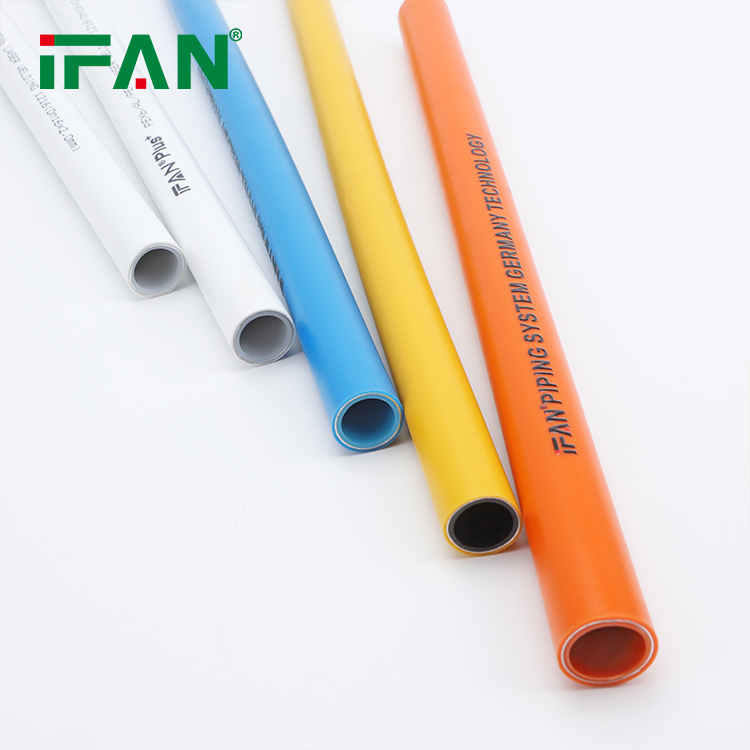
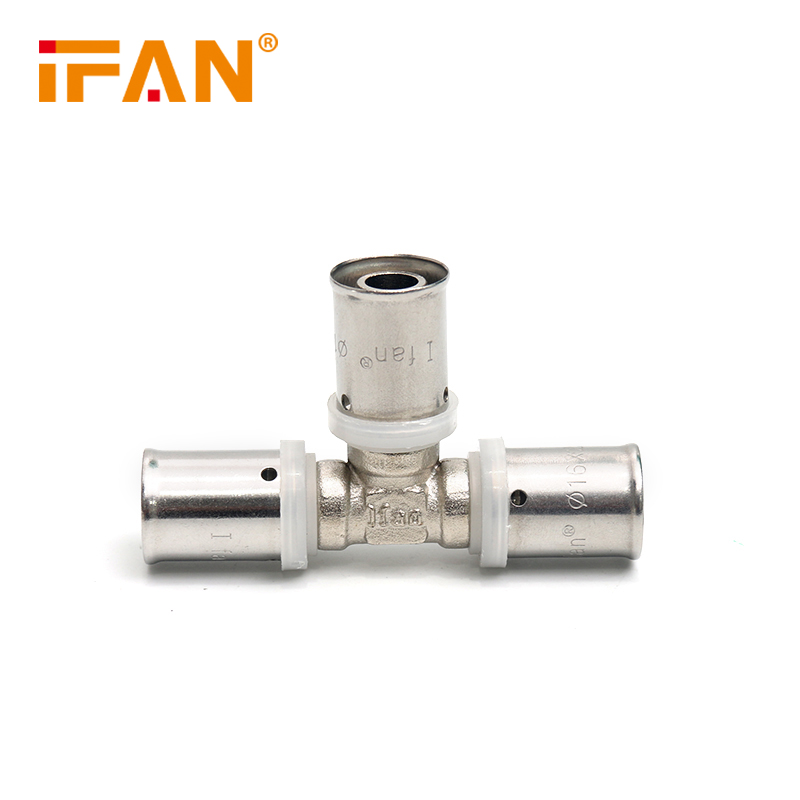
When it comes to plumbing in your home, you want to make sure you are using materials that are reliable, durable, and meet all of your needs. This is where PEX fittings come in. PEX, or cross-linked polyethylene, is a type of tubing that has become a popular choice for plumbing in recent years. So why should you invest in PEX fittings for your home’s plumbing needs? Let’s take a look.
Durability
One of the biggest benefits of PEX fittings is their durability. PEX tubing is resistant to corrosion and scaling, which means it won’t deteriorate over time like other types of plumbing materials. This can help reduce the need for costly repairs and replacements down the line, saving you time and money in the long run.
Flexibility
PEX fittings are also highly flexible, which makes them easy to work with and install. Unlike rigid materials like PVC or copper, PEX tubing can be bent and curved to fit into tight spaces and around corners. This can make plumbing installations much faster and more efficient, especially in older homes or buildings with complex layouts.
Versatility
PEX fittings are versatile and can be used for a wide range of plumbing applications. They can be used for hot and cold water supply lines, as well as for radiant heating systems and snow melting applications. PEX has become one of the most widely used materials for plumbing because of its versatility.
Cost-effective
Finally, PEX fittings can be a cost-effective option for your plumbing needs. PEX tubing is generally less expensive than copper and can be installed more quickly and easily, reducing labor costs. Overall, investing in PEX fittings can be a wise financial decision for homeowners and contractors alike.
In conclusion, if you are looking for a reliable, durable, and versatile solution for your home’s plumbing needs, consider investing in PEX fittings. These fittings offer a range of benefits that make them an ideal choice for both new construction and retrofit projects. With their flexibility, durability, and cost-effectiveness, PEX fittings are a smart choice for anyone looking to upgrade their plumbing system.