PPR Fittings for Industrial Plumbing: Meeting Heavy-Duty Demands
Introduction:
When it comes to industrial plumbing, the demands can be quite heavy. Fluids with high temperature and pressure, harsh chemicals, and other challenging industrial fluids, often put plumbing fittings to the test. It is in such situations that PPR (Polypropylene Random Copolymer) fittings shine.
PPR Fittings – What are they?
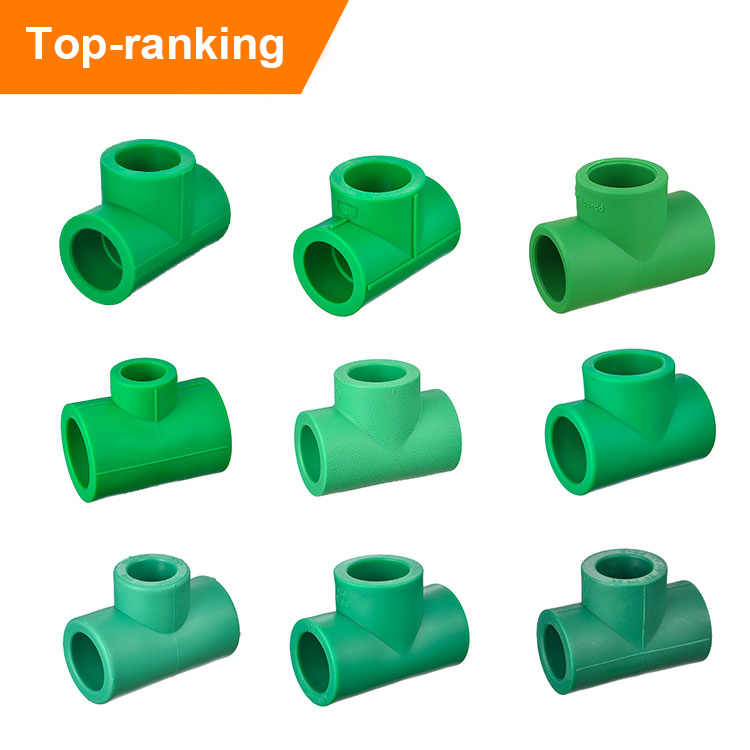
PPR fittings are made from a unique formulation of Polypropylene Random Copolymer, which is characterized by its exceptional chemical resistance and mechanical strength. They are lightweight, easy to install, and ideal for use in both hot and cold water systems. They are available in a wide variety of shapes and sizes, making them suitable for almost all types of industrial plumbing applications.
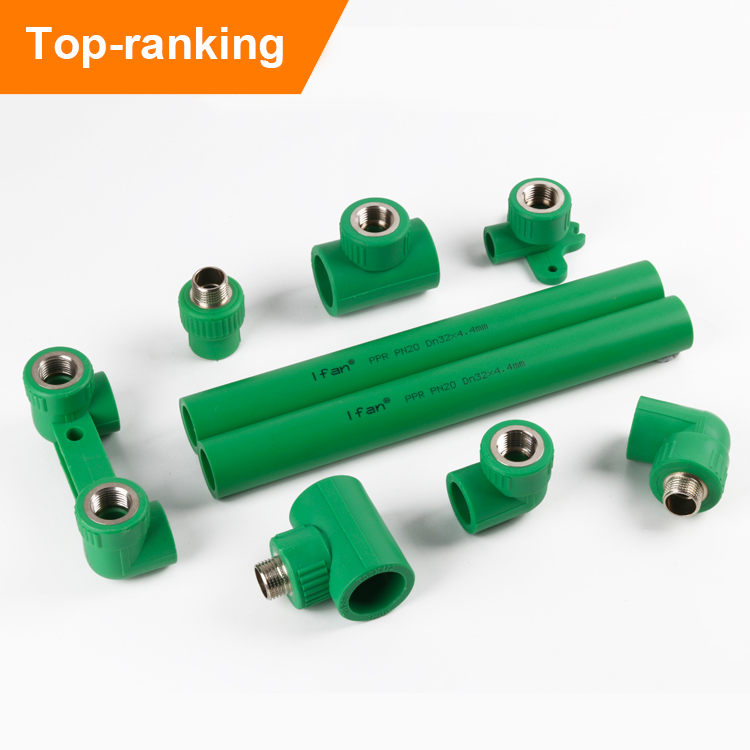
Advantages of PPR Fittings:
There are many advantages to using PPR fittings in industrial plumbing applications. Some of the benefits include:
- Chemical Resistance:
PPR fittings are known for their excellent chemical resistance. They can withstand exposure to a broad range of industrial chemicals, making them ideal for plumbing systems that carry challenging industrial fluids.
- Mechanical Strength:
PPR fittings are mechanically strong and can withstand high fluid pressures and temperatures without breaking or leaking. This makes them ideal for use in high-pressure industrial plumbing systems.
- Durability:
PPR fittings have excellent durability, ensuring they last for many years without the need for replacement.
- Lightweight:
PPR fittings are lightweight, making them easy to install and handle. This is particularly useful when dealing with plumbing systems that require a significant number of fittings.
- Easy Installation:
PPR fittings are easy to install, requiring no special tools or equipment. This helps to reduce installation time and cost, making them an ideal choice for large industrial plumbing projects.
Conclusion:
PPR fittings are a great choice for industrial plumbing systems that require high levels of durability, chemical resistance, and mechanical strength. They are lightweight and easy to install, which makes them ideal for use in large-scale industrial plumbing projects. If you’re looking for a reliable and cost-effective plumbing solution, PPR fittings are definitely worth considering.