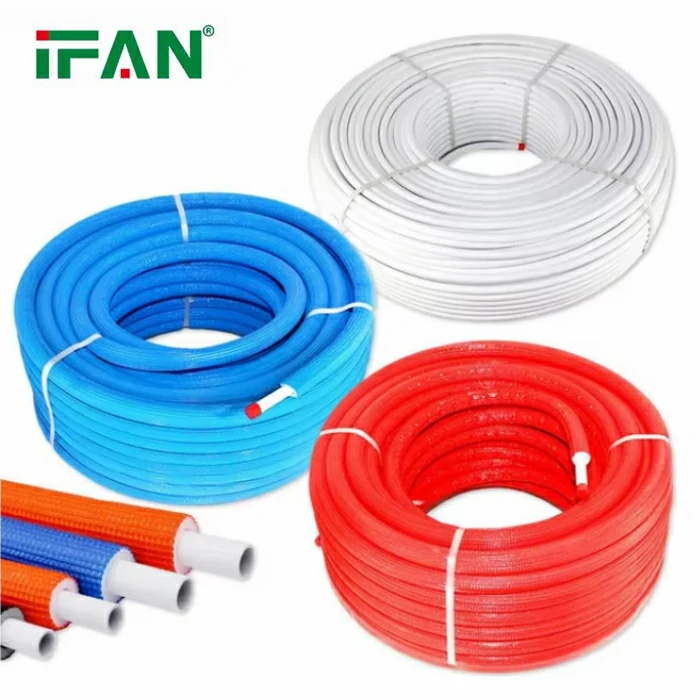
How Do You Connect HDPE Pipes Together: Step-by-Step Guide to Joining HDPE Pipes
Connecting HDPE (high-density polyethylene) pipes together requires proper techniques and tools to ensure a secure and leak-free joint. This step-by-step guide will walk you through the process of connecting HDPE pipes using the popular methods of butt fusion and electrofusion, highlighting the necessary steps, equipment, and precautions for each method.
Butt Fusion Method
Butt fusion is a widely used method for joining HDPE pipes, especially when the pipes are of the same diameter. Here’s a step-by-step guide for connecting HDPE pipes using the butt fusion method:
- Prepare the Pipes: Cut the HDPE pipes to the desired length, ensuring clean and straight ends. Use a chamfering tool to bevel the edges of the pipe ends, removing burrs and creating a smooth surface.
- Clean the Pipe Ends: Thoroughly clean the pipe ends using a cleaning solution or isopropyl alcohol to remove dirt, grease, or any other contaminants that may interfere with the fusion process.
- Heat the Pipe Ends: Place the prepared pipe ends into the heating clamps of the butt fusion machine. Activate the heating element and allow it to heat the pipe ends evenly, following the recommended heating time and temperature provided by the pipe manufacturer.
- Join the Pipe Ends: After reaching the required heating time, remove the pipe ends from the heating clamps. Quickly and precisely align the pipe ends, ensuring they are parallel and flush with each other. Press the pipe ends together firmly to create a fusion bond.
- Cooling and Fusion: Hold the pipe ends in place until the fused joint cools down and solidifies. Maintain the correct pressure during the cooling process to prevent any movement or misalignment. Follow the recommended cooling time provided by the pipe manufacturer.
- Inspection and Testing: Once the joint has cooled, visually inspect it to ensure proper fusion and alignment. Conduct a pressure test if necessary to verify the integrity and leak resistance of the joint.
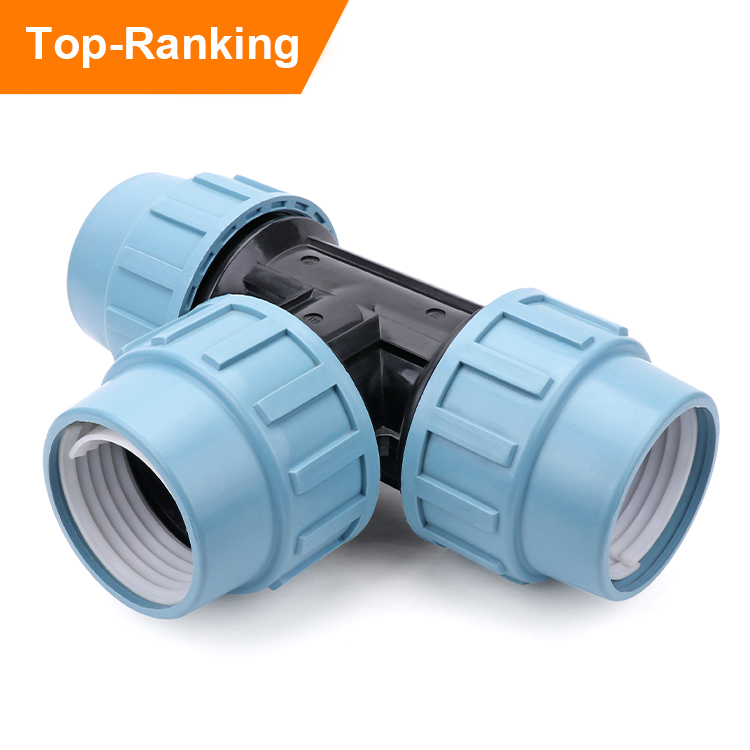
Electrofusion Method
Electrofusion is another popular method for joining HDPE pipes, particularly when merging or branching pipes of different diameters. Here’s a step-by-step guide for connecting HDPE pipes using the electrofusion method:
- Prepare the Pipes: Cut the HDPE pipes to the desired length, ensuring clean and straight ends. Use a chamfering tool to bevel the edges of the pipe ends, removing burrs and creating a smooth surface.
- Clean the Pipe Ends: Thoroughly clean the pipe ends using a cleaning solution or isopropyl alcohol to remove dirt, grease, or any other contaminants that may affect the fusion process.
- Prepare the Electrofusion Fitting: Install the appropriate electrofusion fitting onto the pipe by inserting it into the fitting cavity until it reaches the marked insertion depth. Ensure that the fusion surface of the fitting aligns with the fusion zone of the pipe.
- Electrofusion Welding: Connect the electrofusion fitting leads to the electrofusion welding unit according to the manufacturer’s instructions. Set the correct welding parameters, such as time and voltage, based on the pipe and fitting specifications.
- Welding Process: Start the electrofusion welding process by activating the welding unit. The unit will apply an electric current through the fitting leads, heating the fusion surface of the fitting and pipe. Allow the welding process to complete as per the specified time.
- Cooling and Fusion: After the welding process is complete, allow the joint to cool down and solidify. Avoid any movement or disturbance of the joint during the cooling process to maintain proper fusion and alignment.
- Inspection and Testing: Once the joint has cooled, visually inspect it to ensure proper fusion and alignment. Conduct a pressure test if required to verify the integrity and leak resistance of the joint.
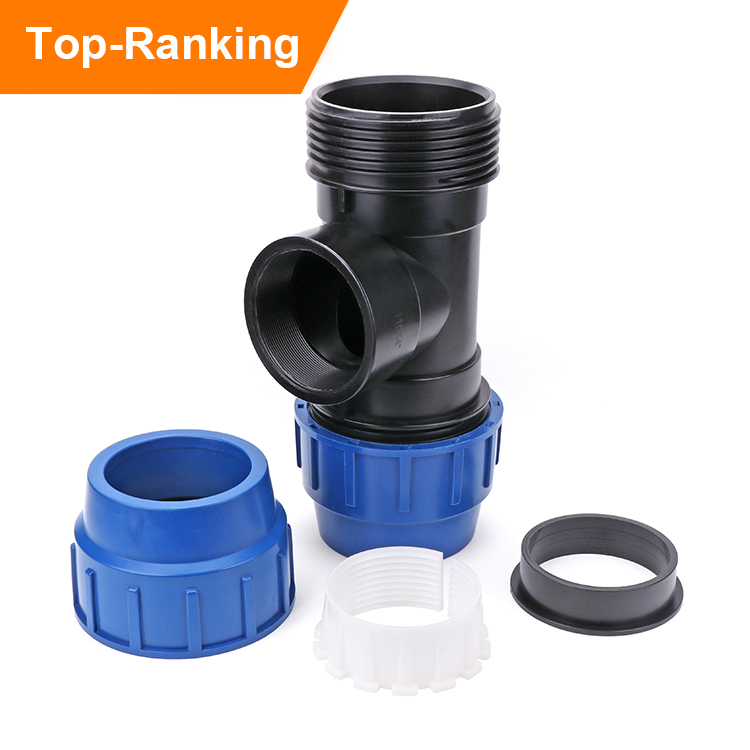
Precautions for Both Methods
Regardless of the method used, it’s important to follow these precautions when connecting HDPE pipes:
- Always wear appropriate personal protective equipment, such as gloves and safety goggles, during the entire process.
- Use proper tools and equipment specifically designed for HDPE pipe fusion or electrofusion.
- Ensure that the pipe ends are clean, dry, and free from any contamination that could affect the fusion process.
- Follow the manufacturer’s guidelines and specifications for heating, fusion parameters, cooling, and testing.
- Maintain proper alignment and pressure during the fusion process to achieve a strong and leak-free joint.
- Avoid touching or disturbing the fused joint until it has cooled down and solidified.
By following these step-by-step instructions and precautions, you can successfully connect HDPE pipes using the butt fusion or electrofusion method, ensuring a secure and reliable joint for your piping system.