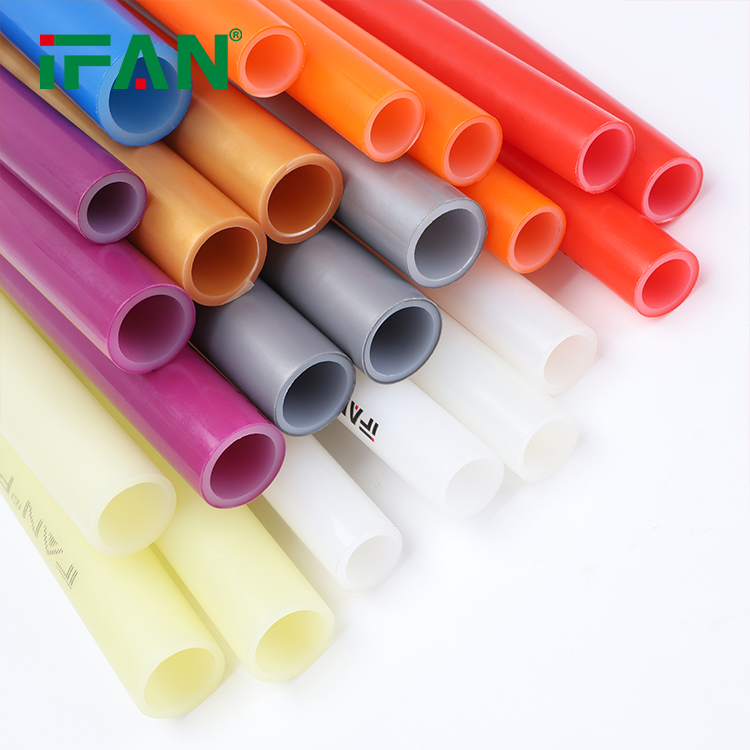
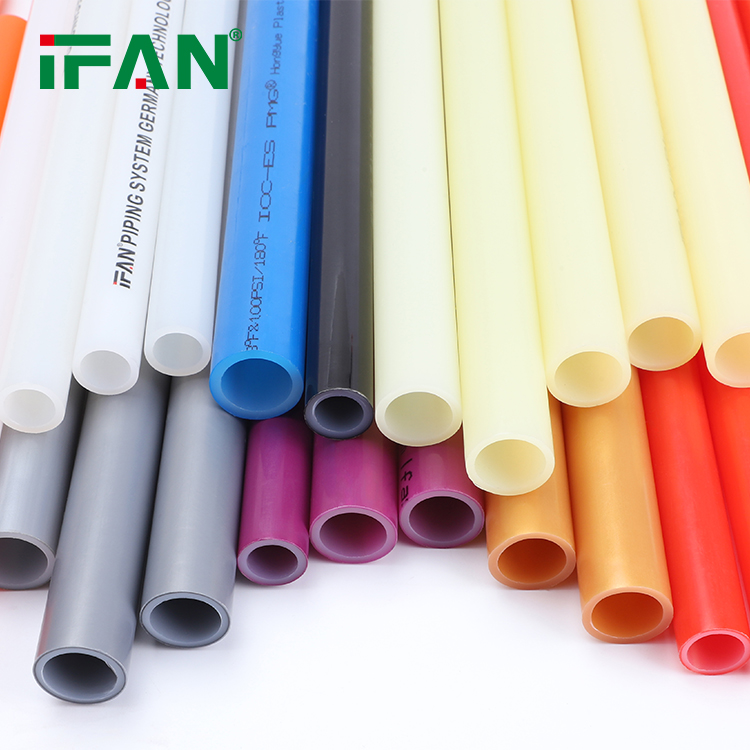
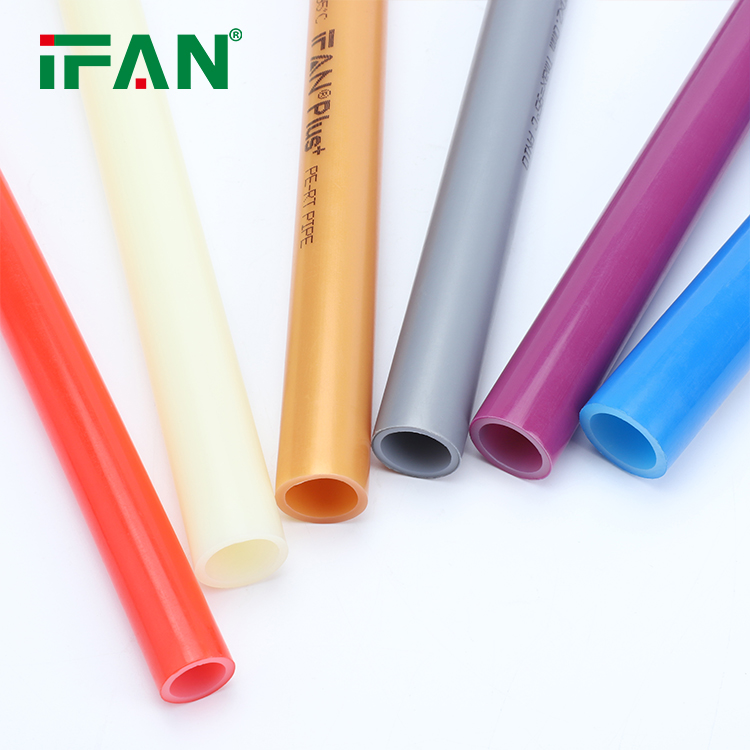
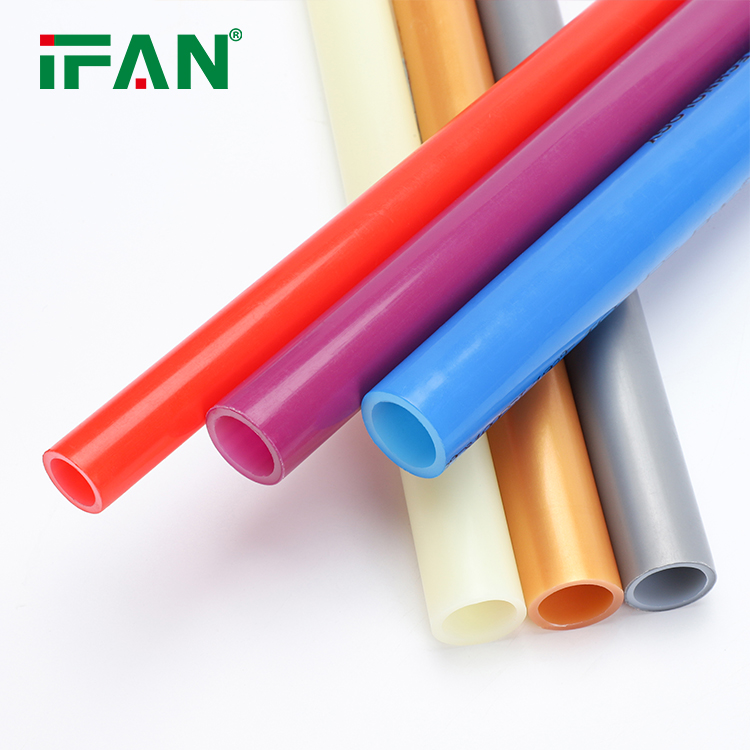
CPVC (chlorinated polyvinyl chloride) and PEX (cross-linked polyethylene) are both popular choices for plumbing systems. Let’s explore the key differences between CPVC and PEX to understand their relative advantages:
1. Temperature Resistance:
- CPVC: CPVC pipes have a higher temperature resistance compared to PEX. They can handle hot water temperatures up to approximately 200°F (93°C).
- PEX: PEX pipes have a lower temperature resistance compared to CPVC. They can typically handle hot water temperatures up to approximately 180°F (82°C).
2. Chemical Resistance:
- CPVC: CPVC pipes have excellent chemical resistance, making them suitable for various applications involving corrosive substances or chemicals.
- PEX: PEX pipes also have good chemical resistance but may be less suitable for certain aggressive chemicals or substances.
3. Installation Flexibility:
- CPVC: CPVC pipes require solvent welding or the use of CPVC-compatible adhesives for joint connections. They are rigid and less flexible, requiring precise measurements and fittings.
- PEX: PEX pipes offer more flexibility and versatility in installation. They use compression fittings or specialized expansion fittings, enabling easier and more adaptable installations.
4. Cost-Effectiveness:
- CPVC: CPVC pipes are generally more cost-effective compared to PEX. They are widely available and offer a balance between performance and affordability.
- PEX: PEX pipes may be slightly more expensive than CPVC, especially in larger diameters. However, the overall cost may vary depending on the specific project requirements and market conditions.
5. Longevity and Durability:
- CPVC: CPVC pipes have a proven track record of longevity and durability when installed correctly. They resist corrosion, scale buildup, and degradation over time.
- PEX: PEX pipes also demonstrate good durability. They are resistant to chemical and mineral buildup, reducing the risk of corrosion and prolonging the lifespan of the system.
In summary, the choice between CPVC and PEX depends on the specific requirements of the plumbing system. CPVC offers higher temperature resistance and excellent chemical resistance, making it suitable for hot water applications and environments involving corrosive substances. PEX provides installation flexibility and versatility, making it a convenient choice for projects that require adaptability. Both materials have their advantages, and the decision should consider factors such as temperature requirements, chemical exposure, installation preferences, and budget constraints.