Introduction:
Outside taps are faucets fixed outside the building that provides a connection to an external source of water for various purposes like gardening, car washing, and other outdoor activities. They are a vital component of any building, and their importance cannot be overstated.
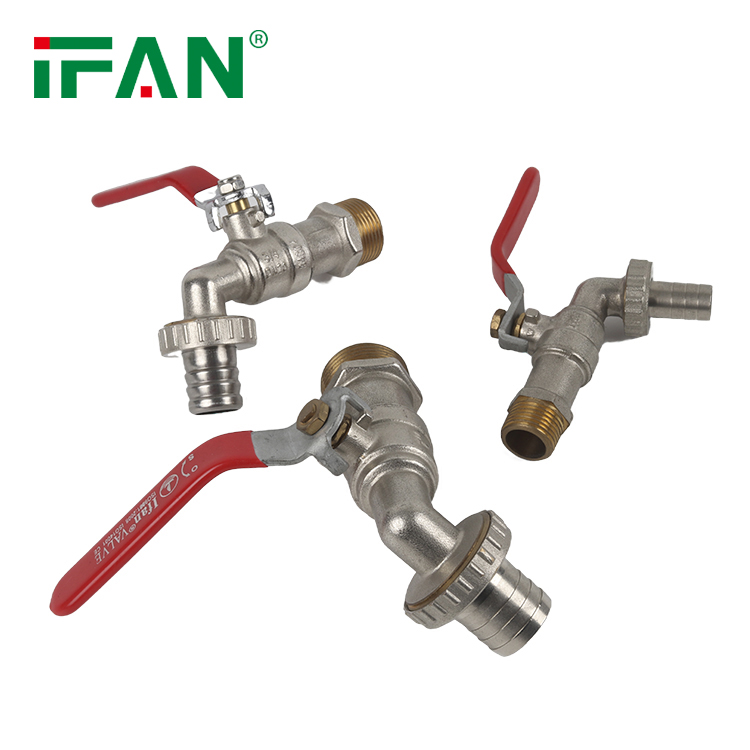
Importance and Benefits of Outside Taps:
- Convenience:
Outside taps provide a lot of convenience in carrying out various outdoor activities. With a free flow of water, it becomes easy for people to wash their vehicles, clean outdoor furniture, and water their plants and gardens.
2.Saves Time:
Outside taps are usually located strategically, which saves time in carrying out outdoor tasks that require water to be used. For example, washing the car can be done quickly and without much hassle.
- Water Conservation:
Outdoor taps are typically fitted with a nozzle that controls the water flow, which helps conserve water. The nozzle ensures that water is not wasted and only used when needed, resulting in a reduced water bill.
- Versatility:
With outside taps, people can use a hosepipe to reach several corners of the garden, making it easy to care for plants, flowers, and lawns all around. This makes the outdoor tap versatile and useful for various purposes.
Installation Process of Outside Taps:
Installing an outside tap can be an easy task and does not require a professional plumber. You can follow these simple steps:
- Choose the location:
The location of the outside tap is essential because it determines the connection for water supply and drainage. It should be in a convenient place and away from electrical sources to avoid accidents.
- Buy the necessary materials.
You will need to buy an outside tap, screws, a drill bit, PTFE tape, and necessary tools like a drill and wrench.
- Turn off the water supply:
Before starting the installation process, turn off the water supply to avoid water spillage.
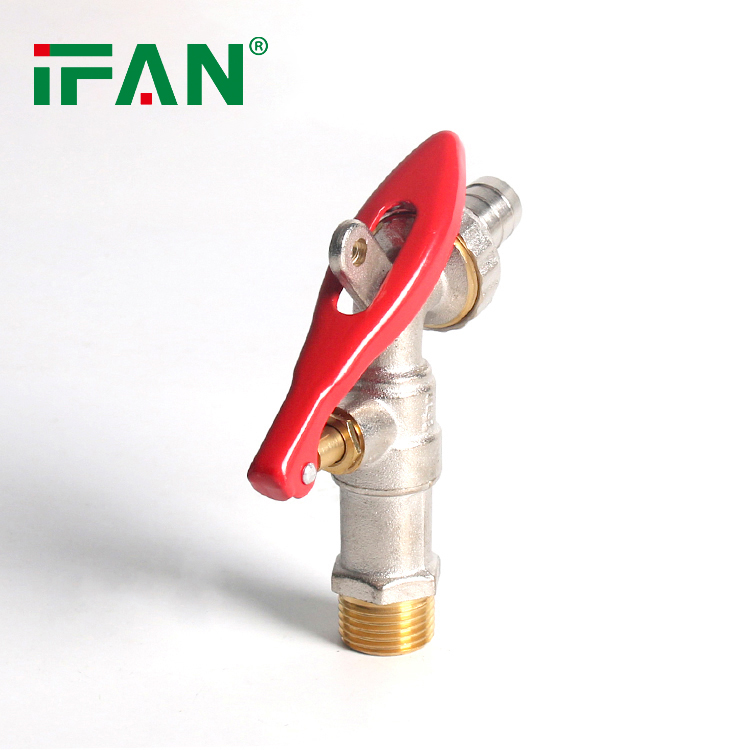
- Mount the outside tap:
Drill a hole in the desired location, mount the outside tap using screws and a wrench. Ensure that it is close to the wall to avoid damaging the tap or hose in case of strong winds.
- Connect to the water supply:
Connect the tap to the water supply using a flexible hose or copper piping, and ensure that it is connected correctly and tightly to avoid leaks.
- Use PTFE tape:
Use PTFE tape to wrap the threads of the tap before connecting it to the water supply to prevent leakage.
Conclusion:
In conclusion, outside taps are essential components in any building, and their benefits cannot be overemphasized, from water conservation to convenience, versatility, and ease of use. However, it is advisable to exercise caution during the installation process or seek professional help if you are not sure.