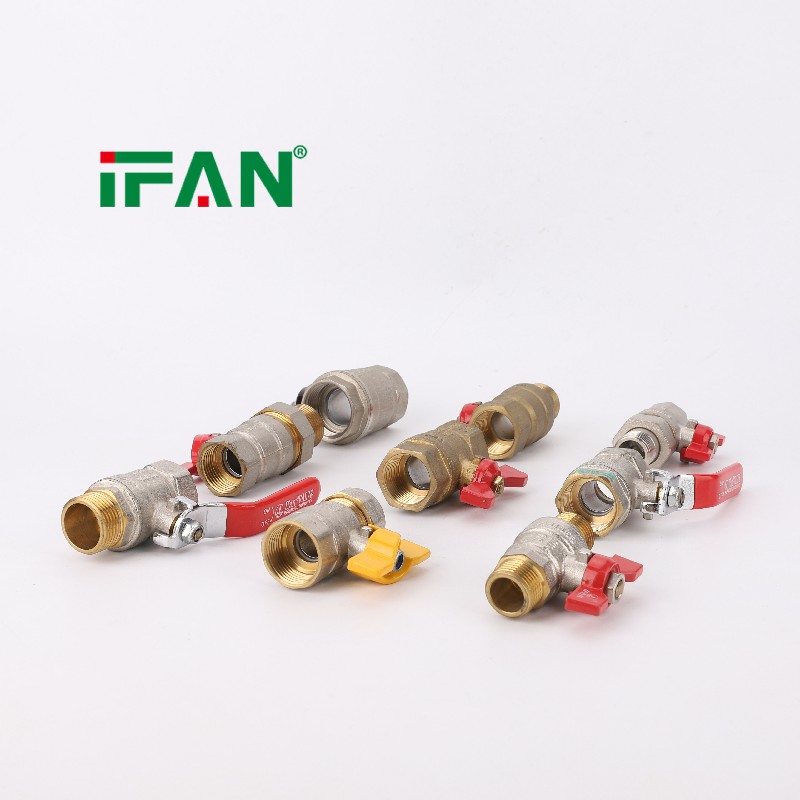
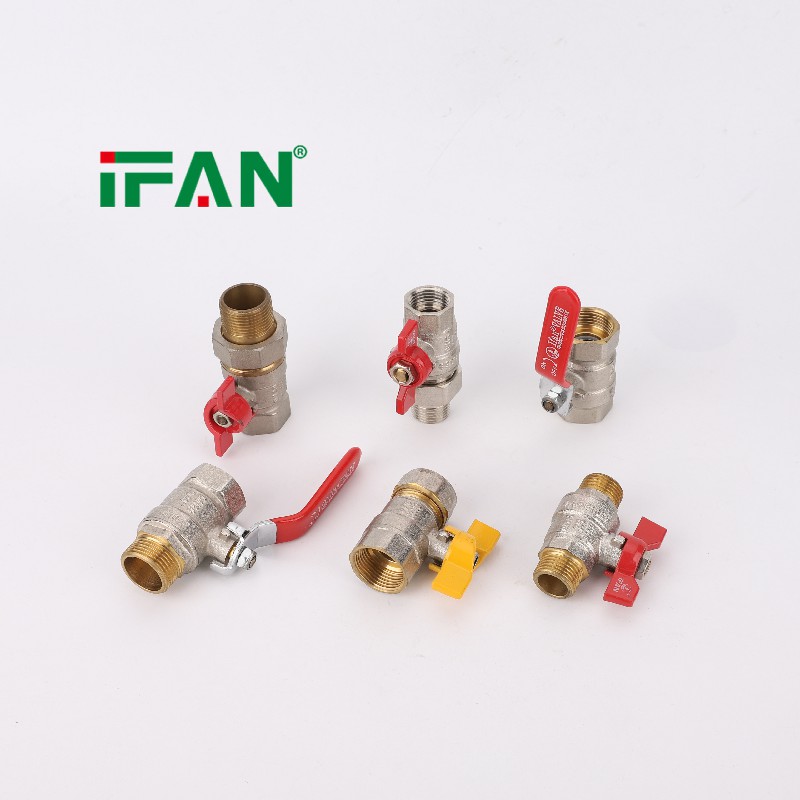
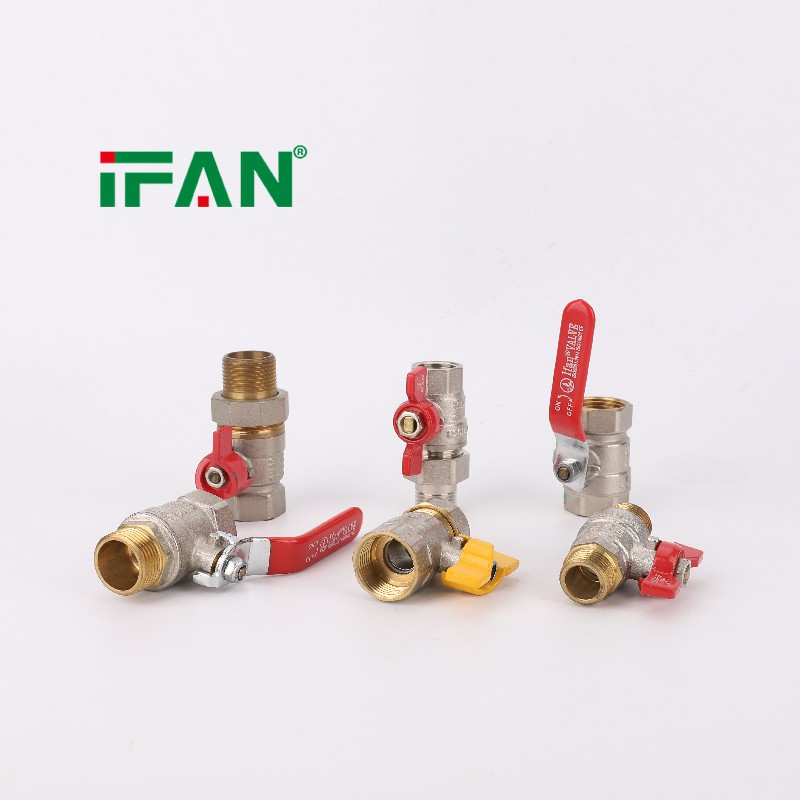
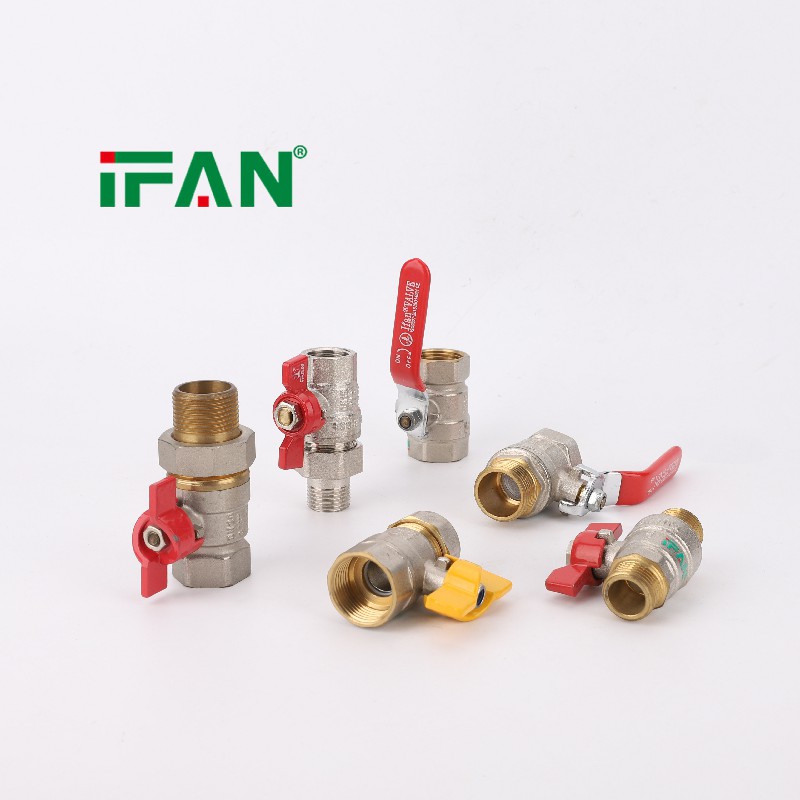
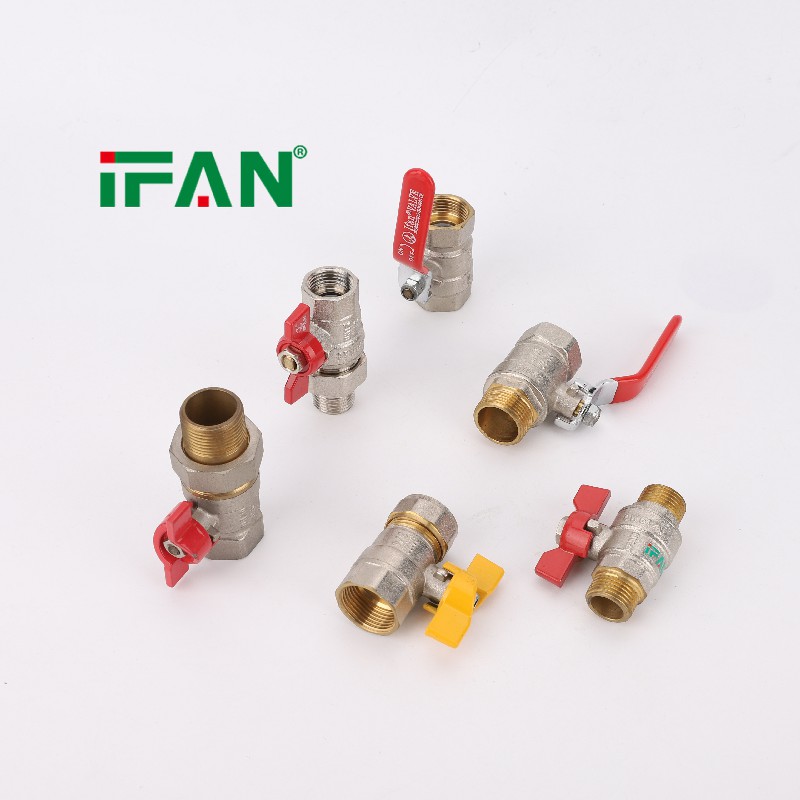
IFAN factory 30+ years manufacture experience support color /size customization support free sample.Welcome to consult for catalog and free samples.This is our Facebook Website:www.facebook.com,Click to watch IFAN’s product video.Compared with Tomex products, our IFAN products from quality to price are your best choice, welcome to buy!
When choosing plumbing fittings, it’s crucial to understand the differences between modern PEX sliding fittings and traditional fittings. Each type offers distinct advantages and potential drawbacks, depending on the specific requirements of the plumbing system. This comparison provides a comprehensive overview of both options to help in making an informed decision.
Ease of Installation
One of the primary advantages of PEX sliding fittings is their simplicity and speed of installation. Unlike traditional fittings, which often require soldering, threading, or gluing, PEX sliding fittings use a push-to-connect mechanism. This process involves inserting the PEX tubing into the fitting and securing it, usually without the need for additional tools. The installation is straightforward, reducing labor time and skill requirements. In contrast, traditional fittings, such as copper or threaded metal fittings, often demand more time and technical expertise. Soldering, for instance, requires heating the joint to melt solder, which can be more complex and time-consuming.
Material and Durability
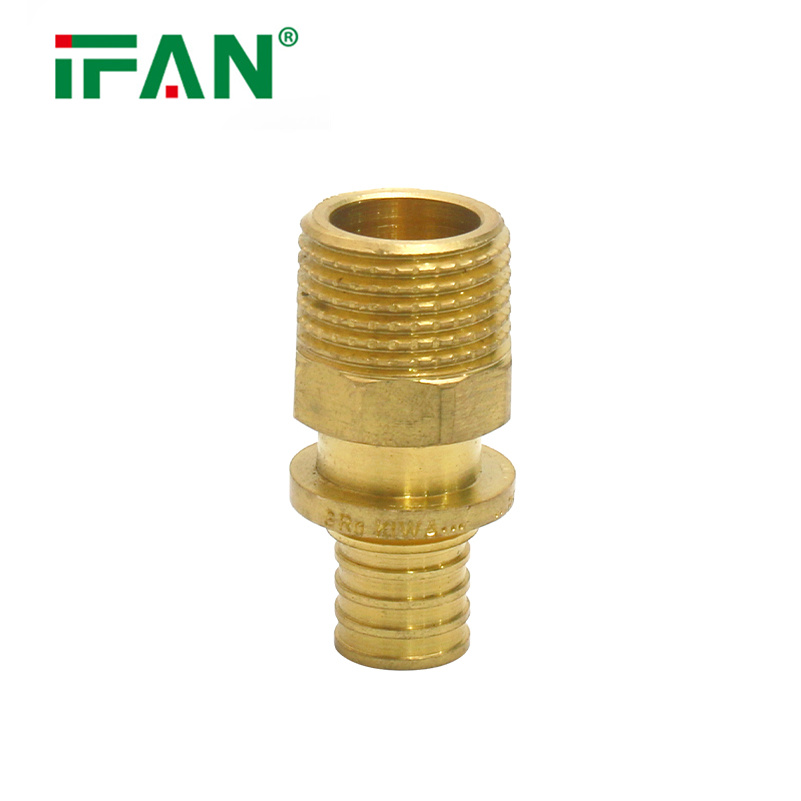
PEX fittings are made from cross-linked polyethylene (PEX), which is known for its flexibility, resistance to corrosion, and durability. This material is less prone to issues like scaling and pitting, which can affect traditional metal fittings over time. PEX sliding fittings can withstand a wide range of temperatures and pressures, making them suitable for various applications. Traditional fittings, such as those made from copper or brass, are durable but can suffer from corrosion or oxidation, especially in hard water conditions. While these materials have their own advantages in terms of strength and longevity, PEX offers a more resistant solution against common plumbing issues.
Cost Considerations
Cost is a significant factor when comparing PEX sliding fittings with traditional options. PEX fittings generally come at a lower initial cost due to the manufacturing process and the absence of additional components needed for installation. The ease of installation also contributes to overall cost savings, as it reduces labor expenses. Traditional fittings, particularly those made from high-quality metals, often have a higher upfront cost. Additionally, the need for professional installation and potential maintenance or repair costs can add to the expense. Over time, the cost-effectiveness of PEX fittings can be more favorable, particularly in large-scale projects or systems requiring frequent adjustments.
Flexibility and Application
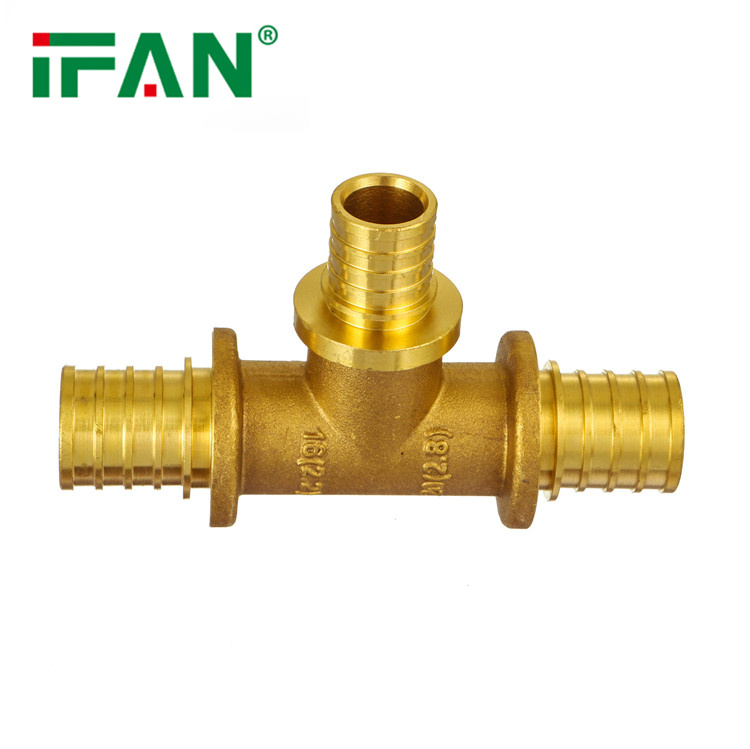
PEX sliding fittings offer superior flexibility compared to traditional fittings. PEX tubing can bend around corners and obstacles, reducing the need for additional fittings and connectors. This flexibility simplifies the design and installation process, especially in complex plumbing systems. Traditional fittings, such as rigid copper or PVC fittings, lack this flexibility and often require more precise measurement and cutting. While these traditional materials can be used effectively in many scenarios, PEX’s adaptability makes it a more versatile choice for modern plumbing applications, especially in retrofits or tight spaces.
Maintenance and Longevity
In terms of maintenance and longevity, PEX sliding fittings offer distinct benefits. PEX’s resistance to corrosion and scaling minimizes the need for frequent maintenance, and the fittings typically have a long service life. Traditional fittings, particularly those made from metal, can require periodic maintenance to address issues such as leaks, corrosion, or joint failures. Metal fittings may also be more susceptible to damage from freeze-thaw cycles. While traditional fittings are known for their robustness, the maintenance and potential replacement costs over time can be higher compared to the generally low-maintenance PEX system.
Conclusion
In summary, PEX sliding fittings and traditional fittings each offer unique benefits and limitations. PEX fittings excel in ease of installation, cost-effectiveness, flexibility, and minimal maintenance needs. Traditional fittings, while often durable and strong, may require more complex installation and higher maintenance. Understanding these differences helps in choosing the most suitable option for specific plumbing needs, balancing factors such as budget, installation complexity, and system requirements.