Introduction: The Pinnacle of Piping Flexibility
In the intricate world of fluid transportation systems, every component plays a crucial role in ensuring seamless and efficient flow. Among these, Polypropylene Homopolymer (PPH) Fitting Elbows stand out as a game-changer, combining superior strength, chemical resistance, and unparalleled versatility to revolutionize piping applications across industries. This article delves into the unique features, benefits, and diverse applications of PPH Fitting Elbows, highlighting why they are the preferred choice for modern fluid handling systems.
I. Understanding PPH: The Foundation of Strength
Polypropylene Homopolymer, often abbreviated as PPH, is a thermoplastic polymer renowned for its exceptional physical and chemical properties. Unlike its cousin polypropylene copolymer (PP-R), PPH boasts higher temperature resistance, better stiffness, and lower creep under load, making it ideal for demanding piping environments. The material’s inherent resistance to a wide range of chemicals, including acids, alkalis, and solvents, further solidifies its position as a go-to solution for various industrial applications.
II. The Elegance of the Elbow: Design and Functionality
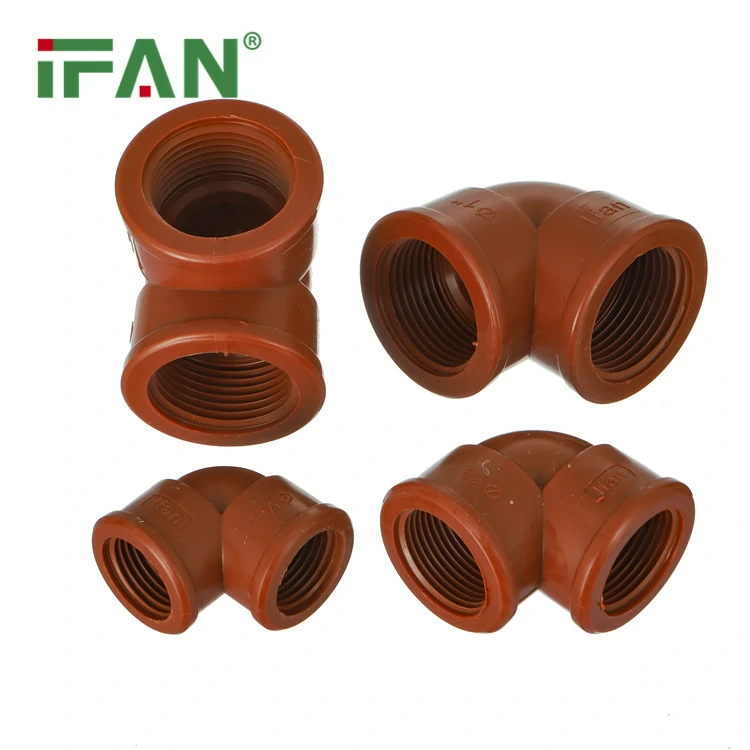
PPH Fitting Elbows are designed to seamlessly redirect fluid flow at precise angles, typically 45°, 90°, or 180°, enabling complex piping layouts with minimal loss of pressure and flow efficiency. Their sleek, yet robust, design incorporates precision-engineered joints that ensure a tight, leak-proof seal, even under high pressures and temperatures. Available in various sizes and configurations, these elbows cater to the diverse needs of various industries, from potable water distribution to chemical processing.
III. Key Benefits of PPH Fitting Elbows
- Durability and Longevity: PPH’s high molecular weight and excellent resistance to stress cracking ensure that these elbows can withstand the test of time, even in harsh conditions.
- Chemical Resistance: The material’s ability to resist corrosion and degradation from a wide array of chemicals makes PPH Fitting Elbows suitable for use in chemical processing, food and beverage, and pharmaceutical industries.
- Easy Installation and Maintenance: Lightweight and featuring user-friendly connection mechanisms, PPH elbows can be installed quickly and easily, reducing downtime and labor costs. Their smooth interior surfaces also facilitate easy cleaning and maintenance.
- Cost-Effectiveness: Despite their superior performance, PPH Fitting Elbows are cost-competitive, offering a cost-effective solution for piping systems requiring both durability and reliability.
- Environmental Friendliness: PPH is recyclable, contributing to sustainable practices and reducing the environmental impact of industrial operations.
IV. Diverse Applications Across Industries
- Water and Wastewater Treatment: PPH Fitting Elbows are a staple in potable water distribution systems and wastewater treatment plants, ensuring safe and efficient fluid transfer.
- Chemical Processing: Their chemical resistance makes PPH elbows ideal for handling aggressive chemicals in the petrochemical, fertilizer, and pharmaceutical industries.
- Food and Beverage: The material’s compliance with FDA standards and non-toxic nature ensures safe and hygienic fluid handling in food processing and packaging lines.
- Agriculture and Irrigation: Durable and lightweight, PPH Fitting Elbows are perfect for irrigation systems, enabling efficient water distribution in farms and gardens.
Conclusion: The Future of Fluid Handling
As industries continue to evolve and demand more sophisticated fluid handling solutions, PPH Fitting Elbows stand as a testament to innovation and excellence. Their unique blend of durability, versatility, and cost-effectiveness make them the preferred choice for a wide range of applications. As technology advances, expect to see even more innovative PPH fittings that push the boundaries of what’s possible in the world of fluid transportation, revolutionizing industries one elbow at a time.